 English ▾
 Nederlands
 English (US)
 Deutsch
 Italiano
 Português
 Español
Pre Medical Observership Program Sri Lanka

 4.90based on 62 reviews
 Save 15% on your Sri Lanka programme fee For trips starting on or before 31 December 2026. Booking fee not included.
Use code SRILANKA15The Pre-Medical Observership Program caters to participants who are not currently enrolled in a medical or nursing degree from a recognized university, but have some prior knowledge and/or experience in the healthcare sector.Participants who have no demonstrable experience or knowledge whatsoever in the healthcare sector cannot be enrolled in the program.
Sri Lanka is the only country in South Asia which offers free healthcare to all its citizens, which is remarkable for this region. As such, the public sector here is very well developed and much larger than the private sector. Participants working in the public sector have access to a larger and wider network of medical professionals, range and volume of patients and exposures to a comprehensive set of wards and special units that cannot come close to being matched in the private sector. There is also a greater need for future doctors and nurses to assist in the public sector as the sheer volume of patients they get is overwhelming and from lower socio-economic classes, where the need for support is greater.
Participants can expect to gain a broad-based understanding of how these sectors work through a range of observation-based learning experiences across various wards and units in a hospital and/or clinic setting, as well as through a range of community based activities. They also get to understand how the medical system of a developing country like Sri Lanka works and learn about various tropical diseases that are prevalent in this part of the world. Additionally, participants get to interact with local doctors and nurses to enhance their knowledge and skills.
Medical Students as well as recently qualified medical students looking to gain valuable experience and skills must select the Medical Internship Program in Sri Lanka. Nursing students looking to do a nursing elective must choose our Nursing Internship Program in Sri Lanka.
Sample Placement Profile
National Hospital Galle – this is the largest public hospital in the Southern Province of Sri Lanka, and the 3rd largest hospital in all of Sri Lanka. Capacity of ~2,000 beds. It has a total of 54 wards and several other specialized units. It was previously known as “Teaching Hospital Karapitiya” but has now been renamed as “National Hospital Galle” as the Sri Lankan government has recently elevated its status from a regional hospital to a national one.
Government Ayurveda Institute – this hospital specializes in the traditional medicinal practice of Ayurveda.
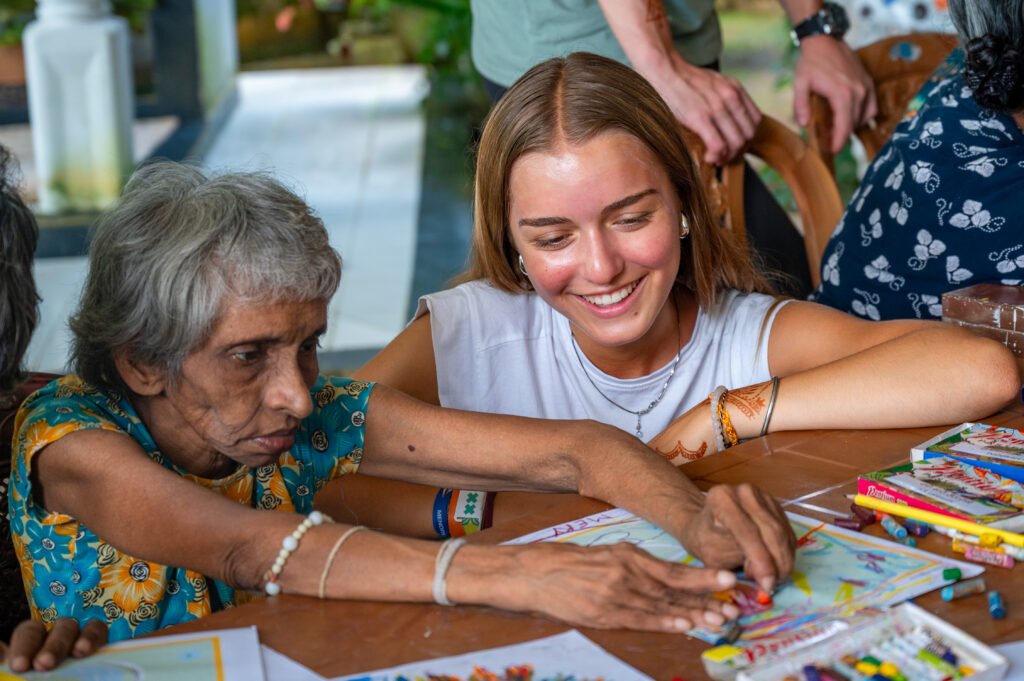
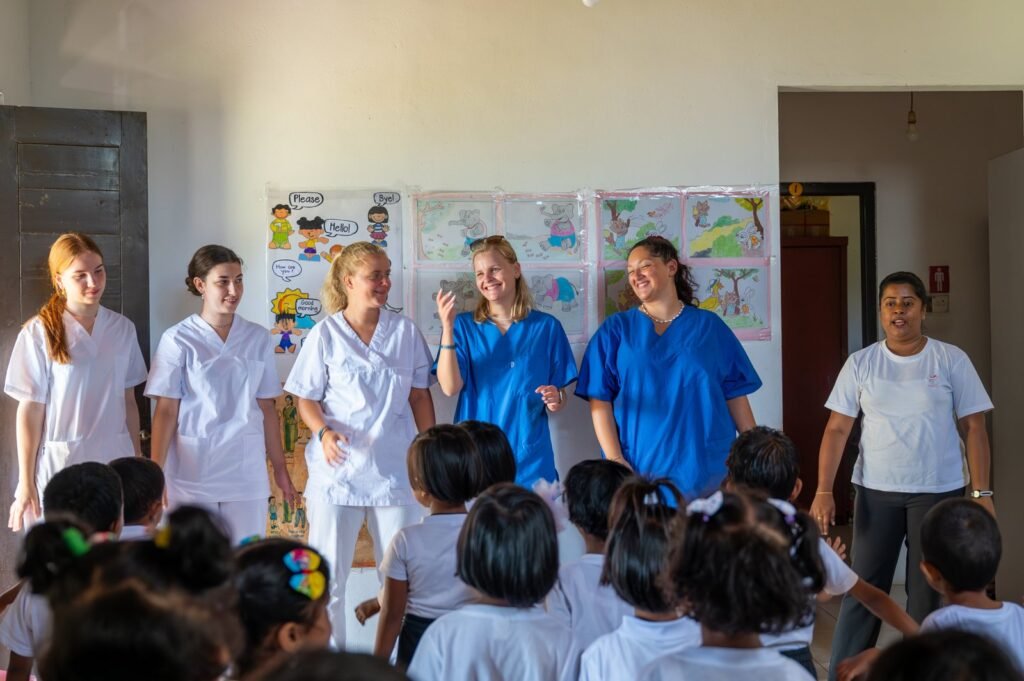
Community Projects – we work with various local schools and community organizations. Our students have the option to spend some of their time at these places for a more intimate experience working with children and senior citizens.
Roles & Responsibilities
Pre-meds can get broad-based rotational exposure across various wards, units and institutions as described below. They do not get to choose their ward or unit selection prior to arrival (unlike our Medical or Nursing Internship participants).The exact availability of each ward or unit can change from time to time based on ground realities, however, in general, pre-med participants will have access to rotate across the following wards, units and institutions:
Emergency Treatment Centre (ETC) – typical tasks include bedside teaching regarding patients’ management, ward class with ward rounds, checking vital signs of patients (if the staff permits), observing live surgeries in casualty operation theatre and post casualty theatre under the direct guidance of the surgeon. Students will be given explanations by the surgeon based on the type of surgery and the ground emergency situation.
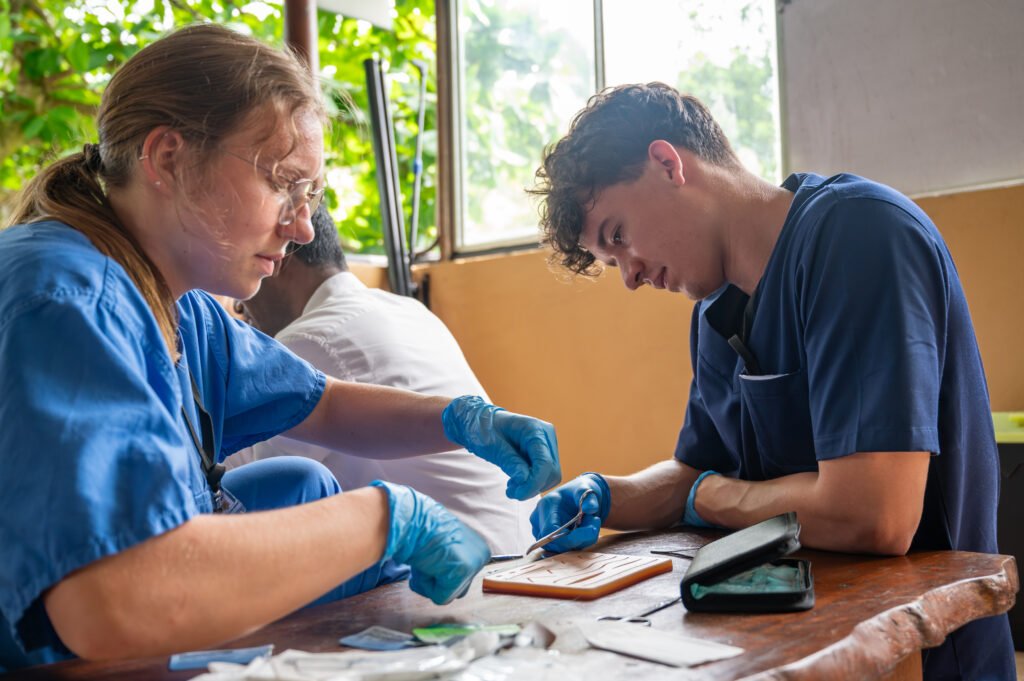
General Surgical Wards– tasks include joining the ward rounds with the consultant and medical staff, assisting the medical staff for wound dressing, checking vital signs of patients and observing live surgeries such as Cholecystectomy, Appendectomy, Hernia repair, Thyroidectomy, etc.
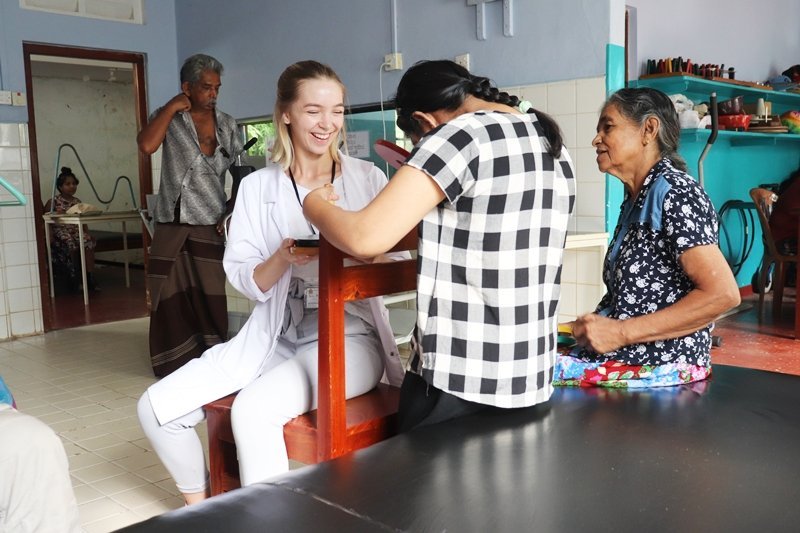
Physiotherapy & Rehabilitation Unit – tasks include supporting patients to carry out their daily physiotherapy and occupational therapy exercises, carrying out group activities to support the patient’s mental well-being and other similar activities. Participants will get to work closely with a physiotherapist and occupational therapist on a regular basis.
General Pediatric Wards – tasks include studying the history of the patients with the support of medical/nursing staff, joining the ward rounds, helping support mothers feed their children and performing activities to socialize with children (with parental consent).
Outdoor Patient Department – students are able to rotate between medical examining rooms, wound dressing room and vaccination rooms and observe how the outdoor patient department works in Sri Lanka.
Oncology Surgical Ward – tasks include studying the history of the patients with the support of medical/ nursing staff, joining the ward rounds, observing how local staff monitor vital signs, perform wound dressings of patients and observing pre-operative and post-operative care of the patients who go through surgeries.
Ayurvedic Medicine – A special introductory session on the traditional eastern medicinal practice of Ayurveda, which is based on a natural and holistic approach to physical and mental health. Ayurvedic medicine is one of the world’s oldest medical systems and remains one of Sri Lanka’s most popular and respected traditional health care systems.
Community Based Activities – this involves working at local schools, villages and community groups.
-
Disability Care: Premedical students are encouraged to engage with differently-abled people that need extra affection and care. They are able to help them with activities that enhance their motor and cognitive skills.
-
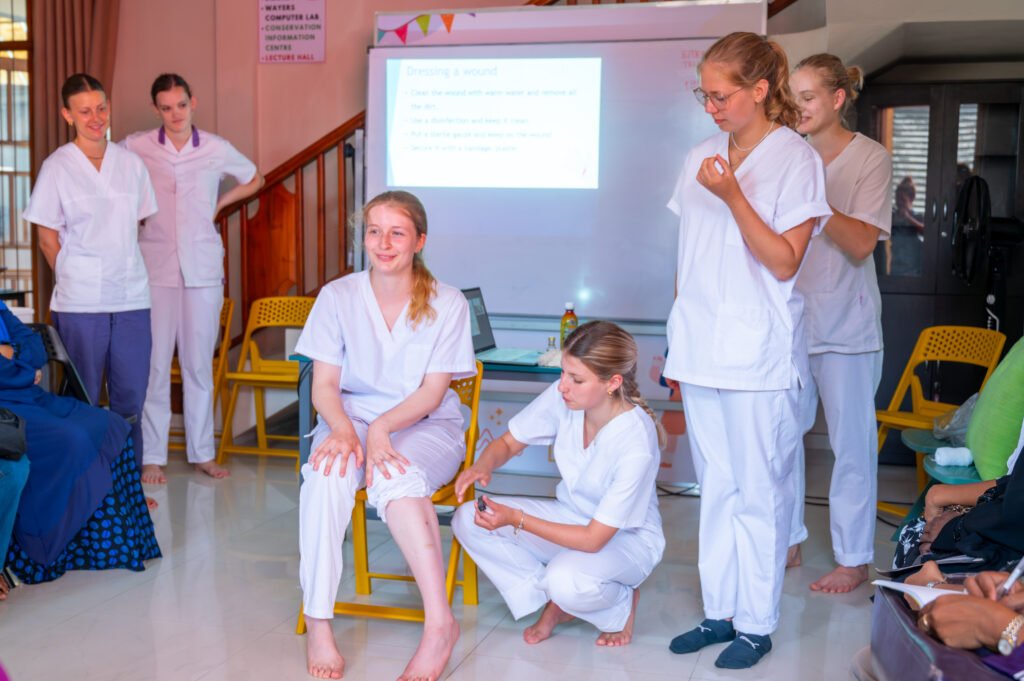
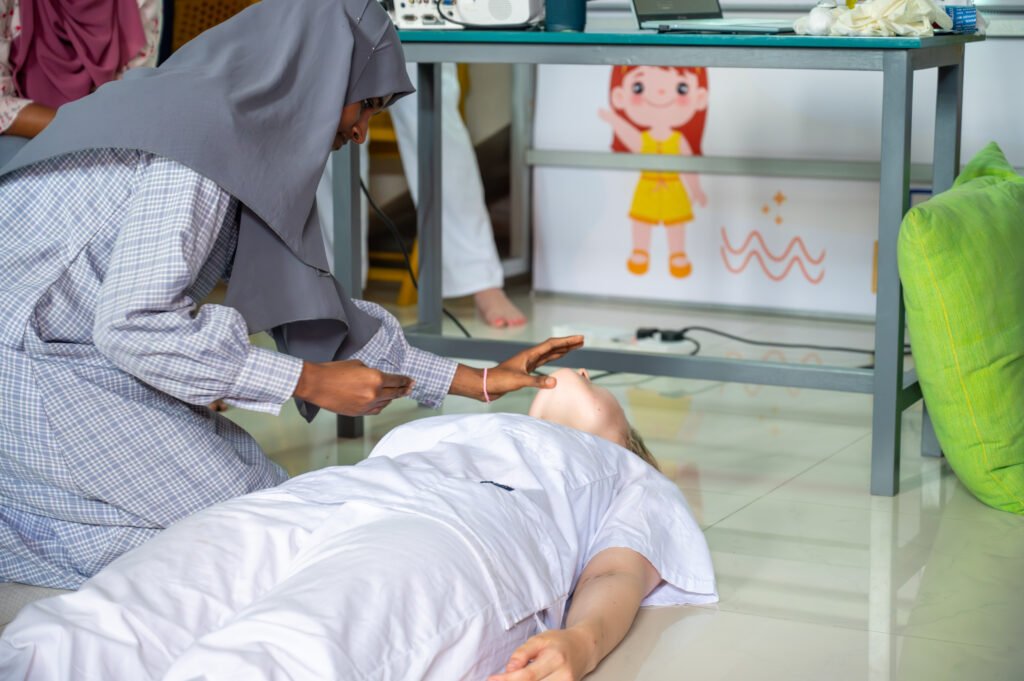
Children: Educate and train the local children on first aid and basic hygiene practices in schools, kindergartens and community groups under the guidance of the coordinators.
-
Elderly Care: Support and cheer up elderly people at elderly homes while improving their gross motor skills and cognitive skills engaging in crafting, mobility exercises and other fun activities.
-
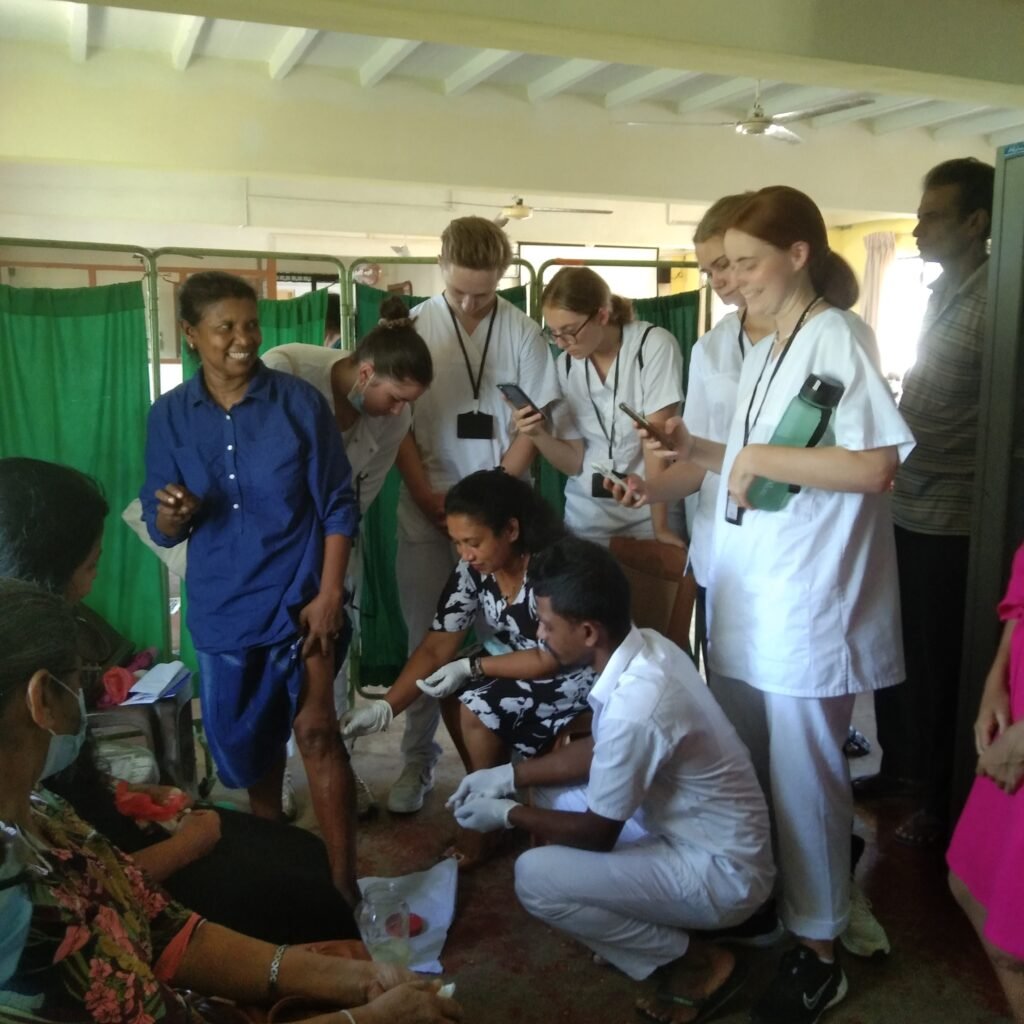
General Public: attend medical campaigns and health awareness programs under the guidance of medical professionals where they can assist with health checkups and educate people on different health conditions and issues.
Students generally need to be assigned for a minimum of one week in the units/wards in the main hospital .
In addition to the above wards/ units, premedical students can participate in Community Weeks as which provides a more hands on experience dealing with various members of the local public (as described above) through community-based activities. This also includes a special one-day session on Ayurvedic medicine so a typical community week will comprise of #7-8 mentioned above. The number of community weeks for students vary depending on the program duration and the ground availability.
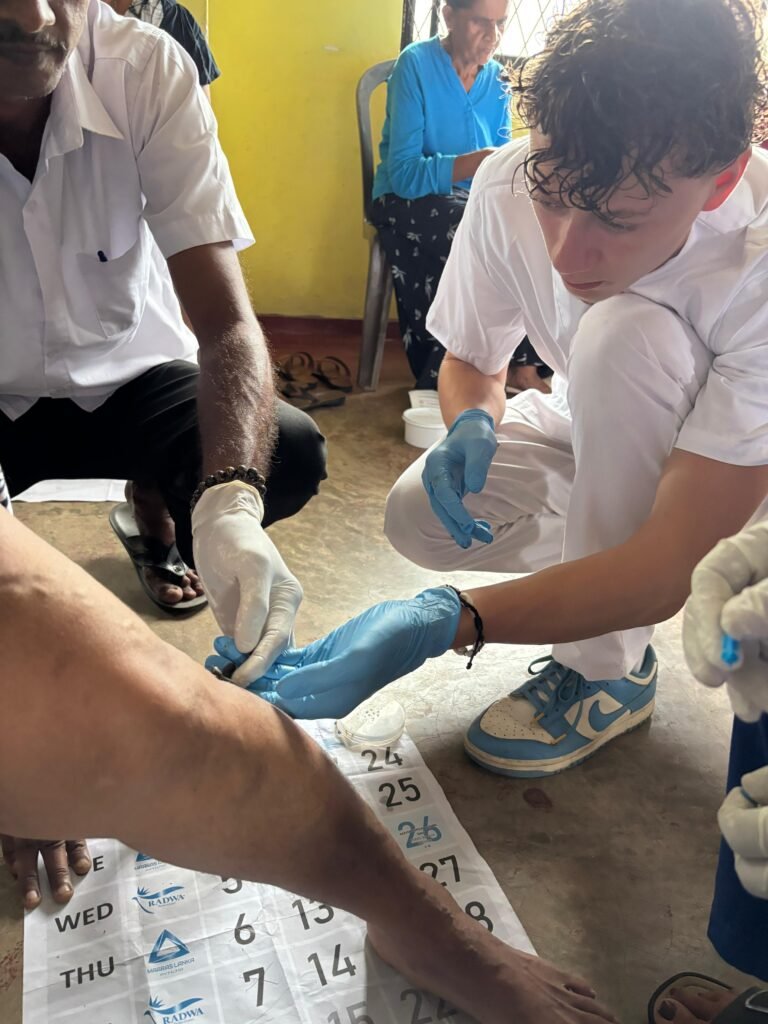
It is important to emphasize that the experience in the hospital is observation-based as the participants lack the experience and skill to perform any invasive procedures on patients. Certain areas like physiotherapy and community based activities tend to be more hands-on work than others.
All students are supported by our medical project coordinator who provides regular guidance and support to further enhance their learning and knowledge development.
Requirements & eligibility
Pre-medical students must show prior demonstrable knowledge and experience in the healthcare sector. Examples of such include:
-
Degree or Diploma in Premedical Science/ Biomedical science/ Health science/ Paramedic science/ Microbiology/ Physiotherapy or Occupational Therapy/ Health Management
-
Nutritionist/ Anesthesiologist/ Radiologist
-
Vocational training in the medical or nursing field
-
Healthcare Assistants – Medical assistant/ Physician assistant/ Nursing assistant/ Lab assistant/ Surgical Technical assistant
-
Geriatric nurse or elderly care nurse
-
Nursing apprenticeship for 1-2 months
-
First Aid or ambulance service experience for 1-2 months
-
Prior medical or nursing or healthcare internship experiences in hospitals
Above qualifications or experiences of the premedical students in the healthcare sector should be confirmed by a reference letter or certificate issued. Hospital management has the right to reject any premedical application if the reference does not satisfy the requirements of the hospital. Students should have a sufficient level of conversational / verbal knowledge of English.
Additionally, participants must understand and appreciate the different cultures when working in a country like Sri Lanka where the medical standards differ greatly from what they might have experienced in their home country. Our experience has shown that the participants who get the most out of this experience tend to be open-minded, flexible, respectful to local staff and eager to learn.
Students must be 18 years or older at the time of joining the project and must be flexible and open-minded towards working in a new and challenging environment. The following documents are needed to apply for the Pre-Medical placement:
-
Current CV or Resume
-
Motivation Letter (or Intent Letter) describing personal background and rationale for pursuing this placement
-
Police background check
-
Copy of passport
-
Duly completed Clinical Observership Trainee Assessment form provided by the hospital
-
Reference letter/ document and/or a certificate which proves prior knowledge and experience in the healthcare sector
-
Clinical or university documents that need to be attested by the hospital to certify the program completion.
All the premedical students should submit the above required documents five weeks prior to their start date.
If a premedical student needs the certification for a certain number of days, they have to complete the below number of weeks minimum in the hospital.
-
30 days certification – 5 weeks
-
60 days certificate – 9 weeks
-
90 days certificate – 13 weeks
The regular start day at the hospital is a Monday which will be recorded as the start date in all the documents that are certified by the hospital. The end date can be the last Saturday of the project period. Weekly intervals taken by the students during their program period will be mentioned in their documents.
A typical day
Saturday: Arrival in Colombo airport – transfer to Galle included
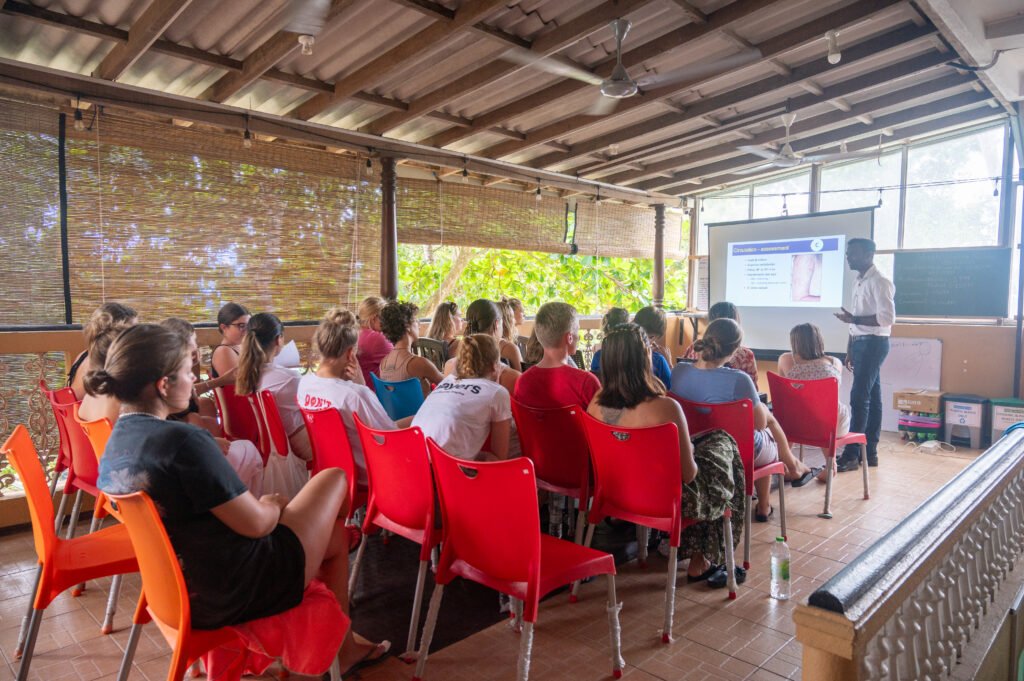
Sunday: Orientation + neighborhood familiarization tour. The orientation session will be conducted by the local coordinator, covering topic areas; such as safety, culture, language, places to visit, behavior, food, and other suggestions over things to do in and around Galle. The medical project coordinator provides project-specific training, which includes an overview of the Sri Lankan medical industry, common practices, customs, code of conduct, rules, etc. The coordinator also monitors day-to-day development of the participants and reviews and assigns project task sheets to each participant based on their experience level.
Mon to Fri: Observership placement at appropriate medical institution (schedules can be somewhat flexible by an hour or two either way, based on ground realities at the time)
• Breakfast – 06:30 to 8:30 am
• Working hours at the placement – 09:00 am to 1pm (Hours can vary)
• Lunch – 12:00-2:30 pm (Provided at the accommodation)
• Dinner – 6:30-7:30 pm onwards (Provided at the accommodation)
The same participant work schedule continues from the second week onwards
Weekends: Free to explore the city, all the nearby beaches and also travel around Sri Lanka. Being a small island with a very good public transportation system (buses, trains), it is easy to take weekend trip to the mountains, tea plantations, rainforests, cultural sites, various beach towns, etc.
Note: Please note, the schedule may vary depending on the particular project the participant is participating in.
Life on the programme


Accommodation & meals
Airport Transfers
Interns are picked up from the Colombo Bandaranaike International Airport Airport by a representative of the local coordinating team on the program start date during scheduled airport pickup hours. Participants are also dropped off to the airport upon completion of the program during the scheduled airport drop hours (At extra charges).Charges for the return airport drop can be paid by the participants when they are in Sri Lanka.
Note : Arrival transfer (shared) within pre-defined time windows on Saturdays included in the program price (non-transferable).There will be 2 shared airport transfers every Saturday (Morning and afternoon/evening) from airport to Galle. A private transfer is also available for USD 100 and can be arranged on Saturday or for participants arriving on any date other than the start date.
Orientation
A detailed program Orientation will be provided before you start your internship.All interns on arrival get a welcome presentation including health and safety training, culture presentation, project specific presentation and area orientation tour.
Accommodation
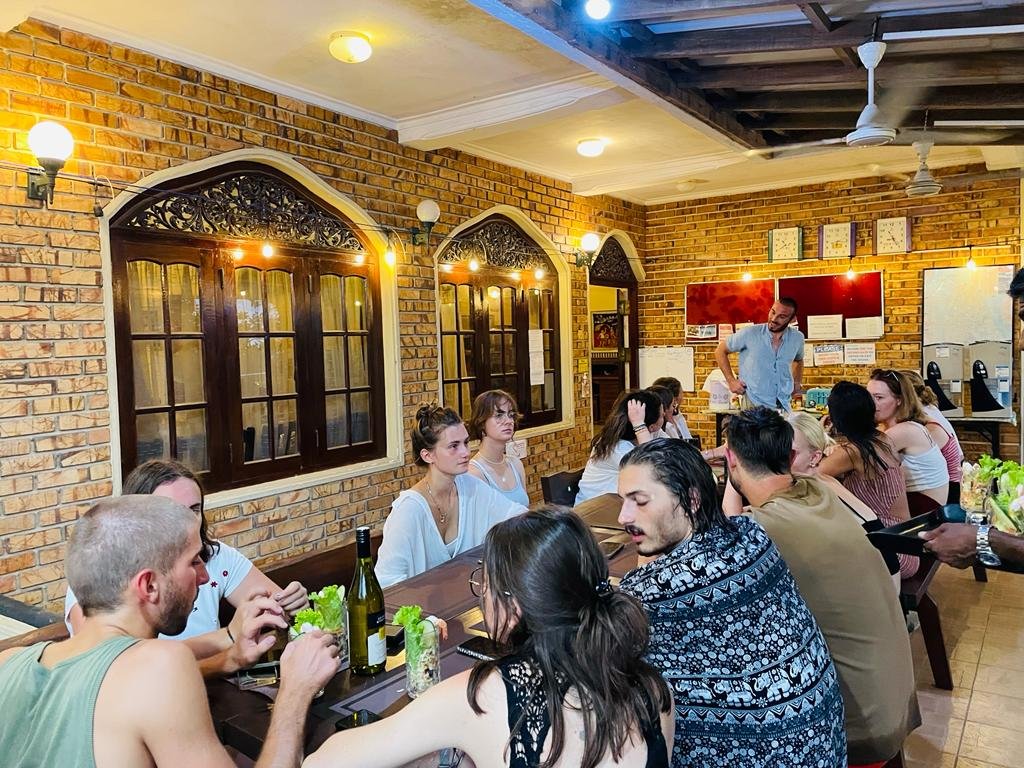
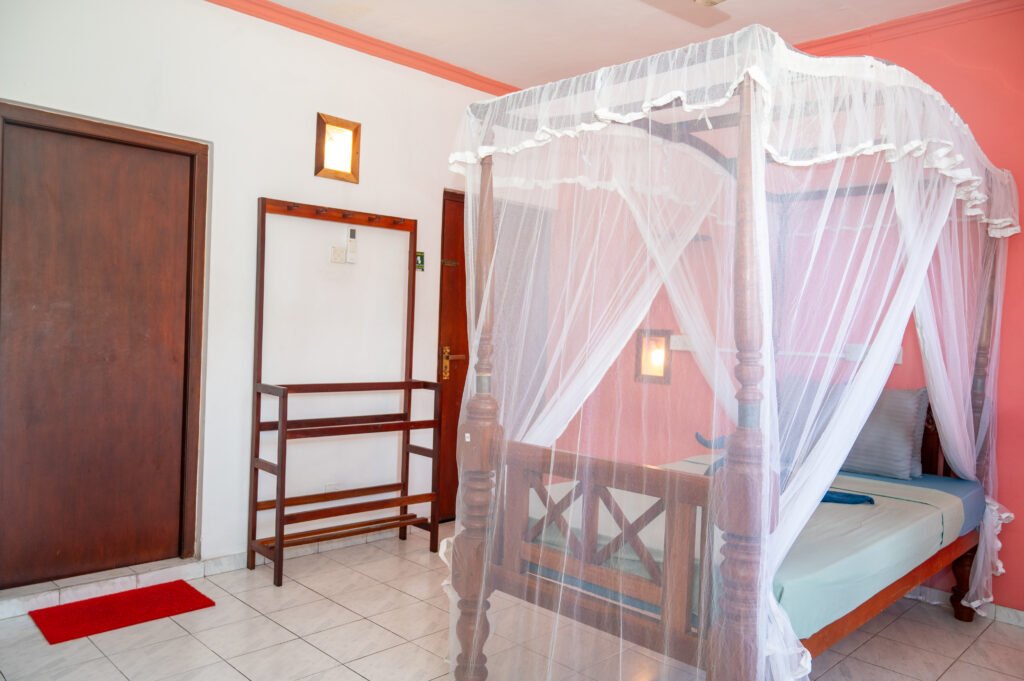
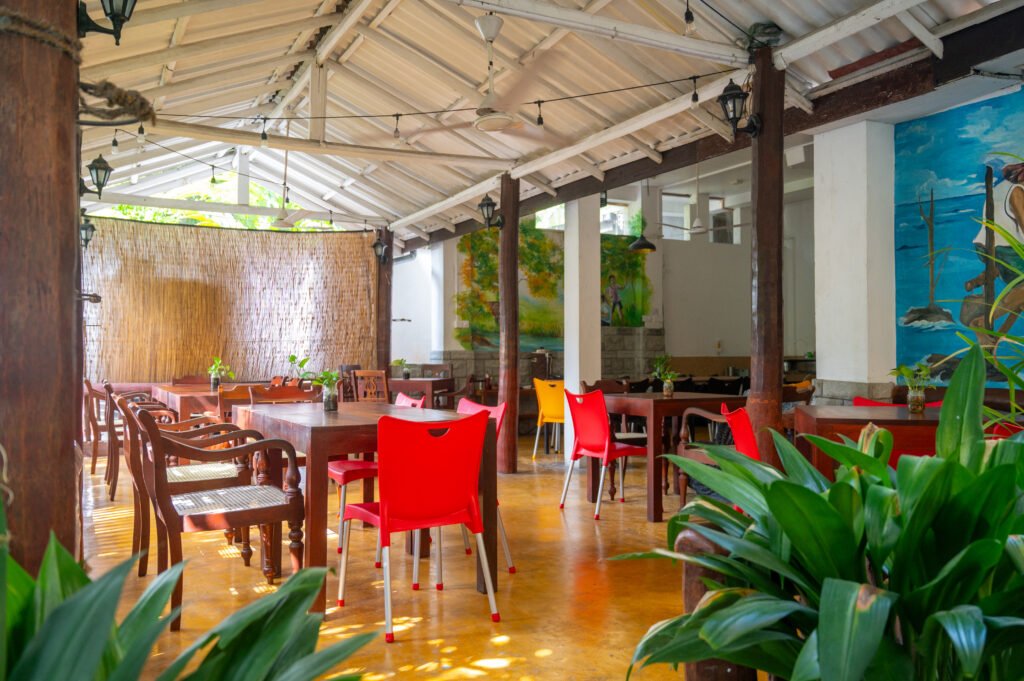
Interns joining the placements in Galle, Sri Lanka, will get to stay in the quaint Unawatuna neighbourhood, overlooking the famous Unawatuna Beach and the turquoise waters of the Indian Ocean. Our participants stay in two houses which are located near to each other.
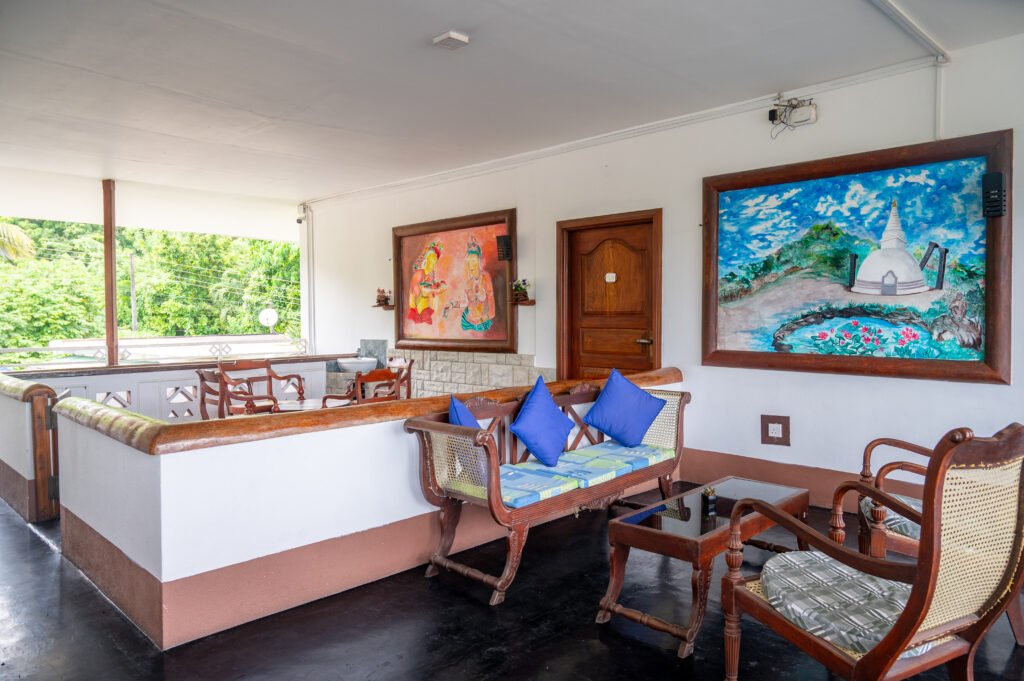
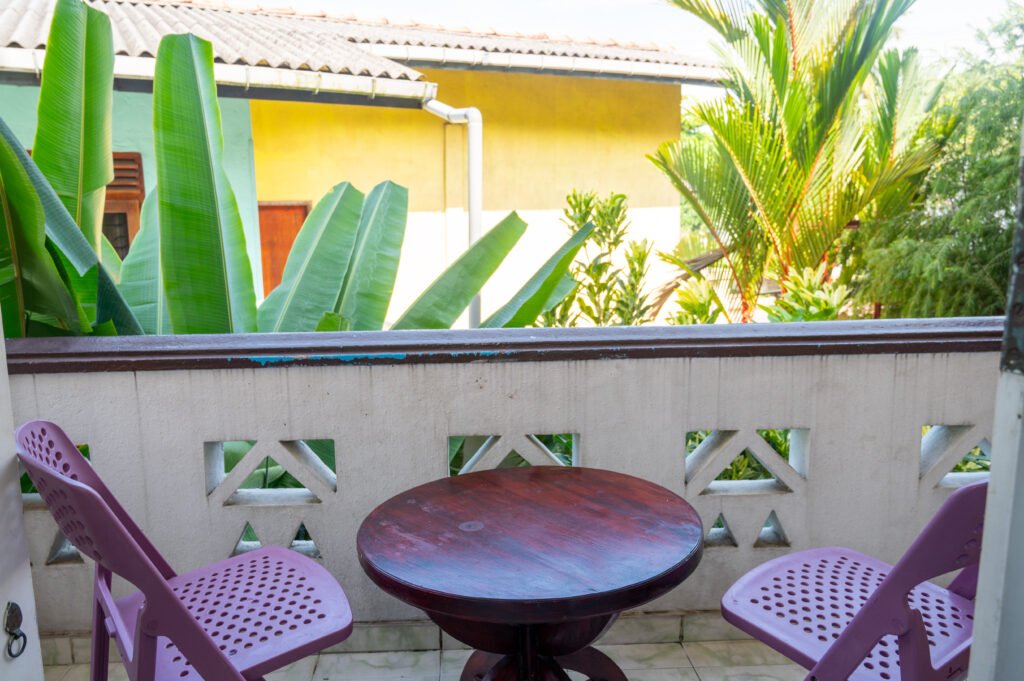
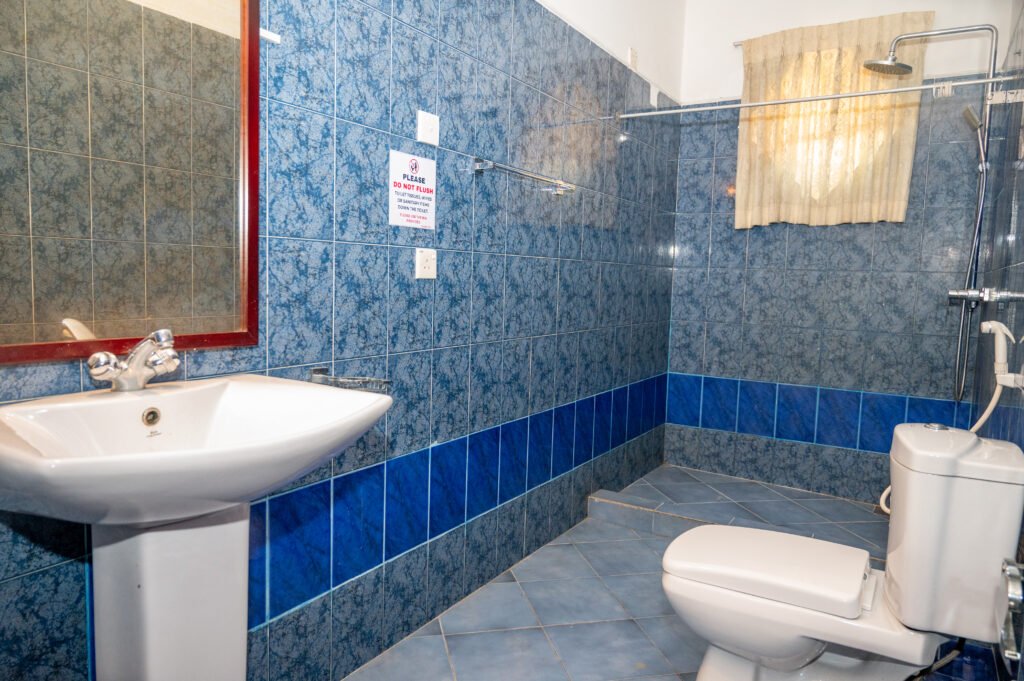
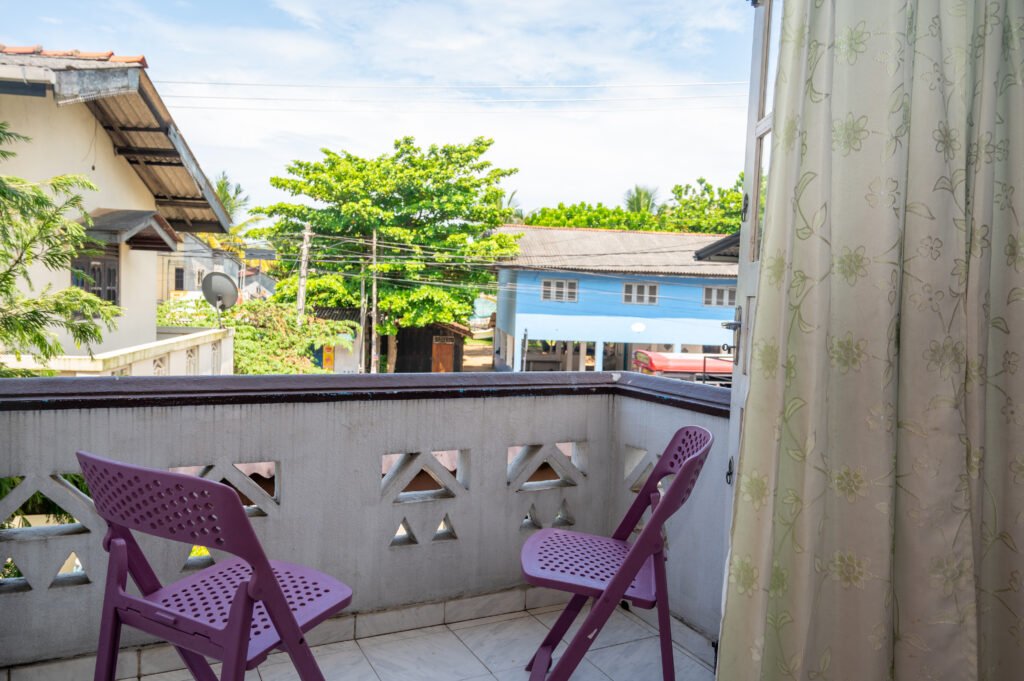
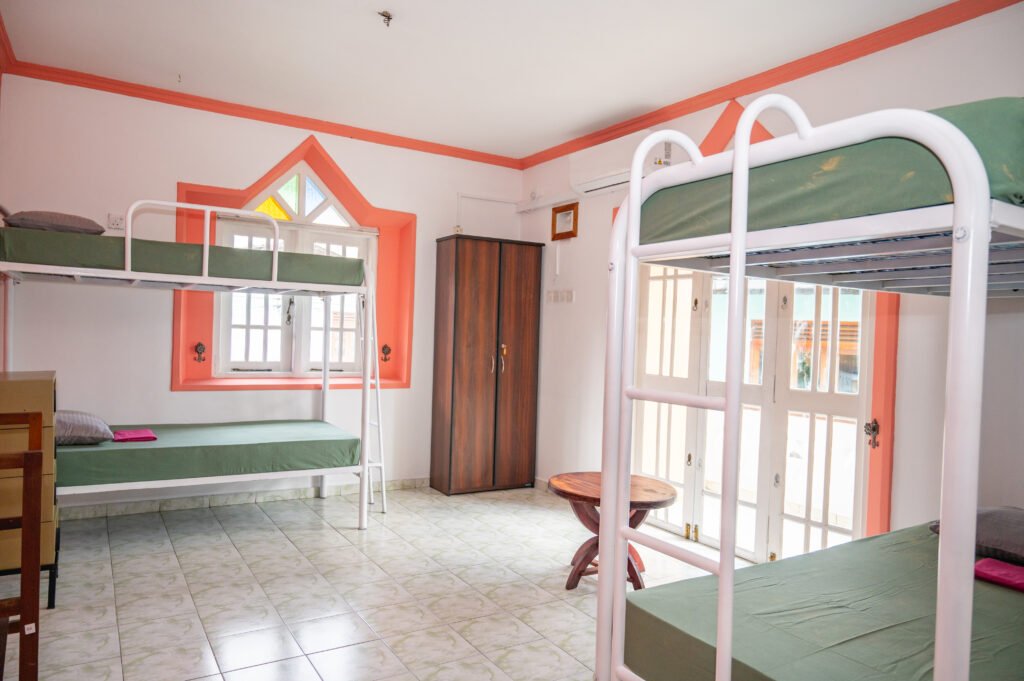
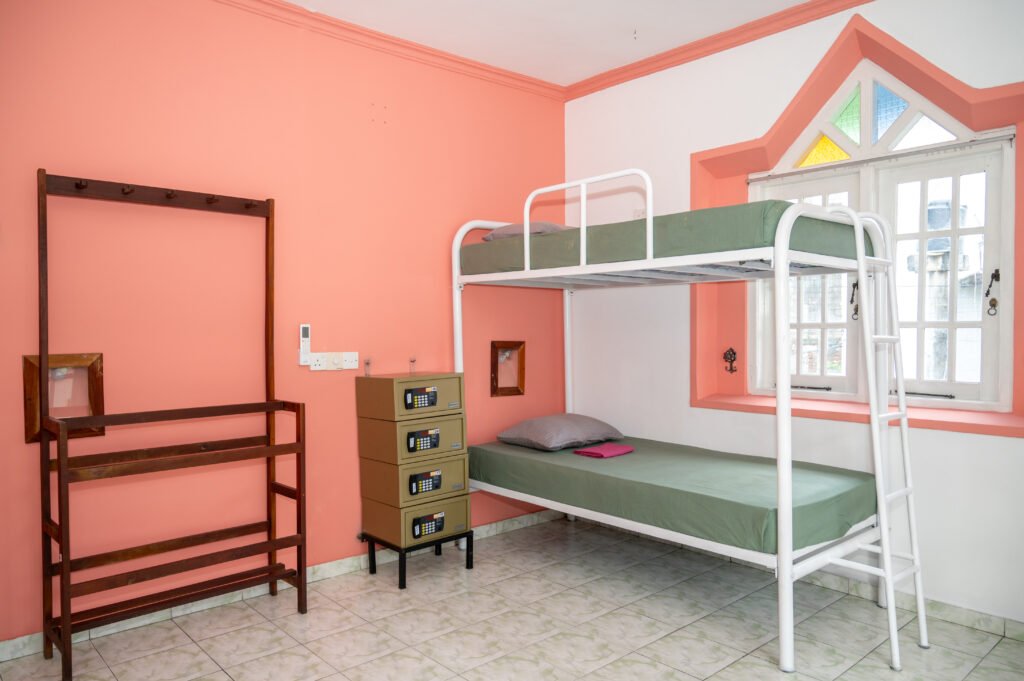
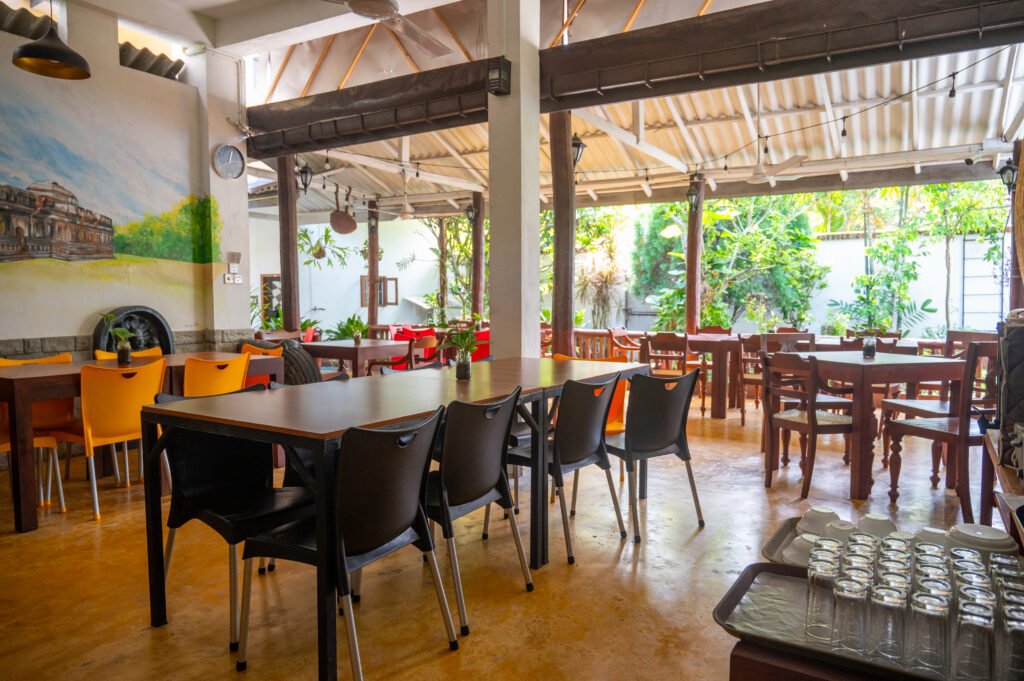
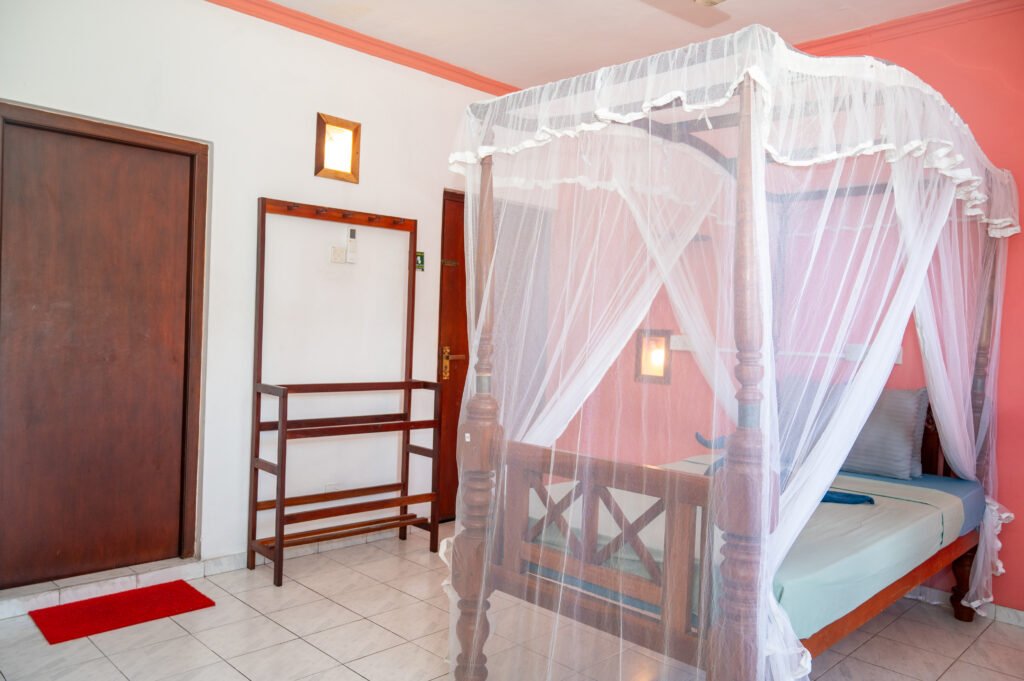
The Beachside house is located right across the road from Unawatuna Beach and about 100 metres from the other house. It has 12 spacious bedrooms of varying sizes with attached en suite bathrooms each with air-conditioning facilities (most rooms also have attached outdoor balconies). There is also a separate dining area, small garden, lounge, terrace and a large office with permanent staff onsite. The property is safeguarded by multiple CCTV cameras and an onsite night security team.
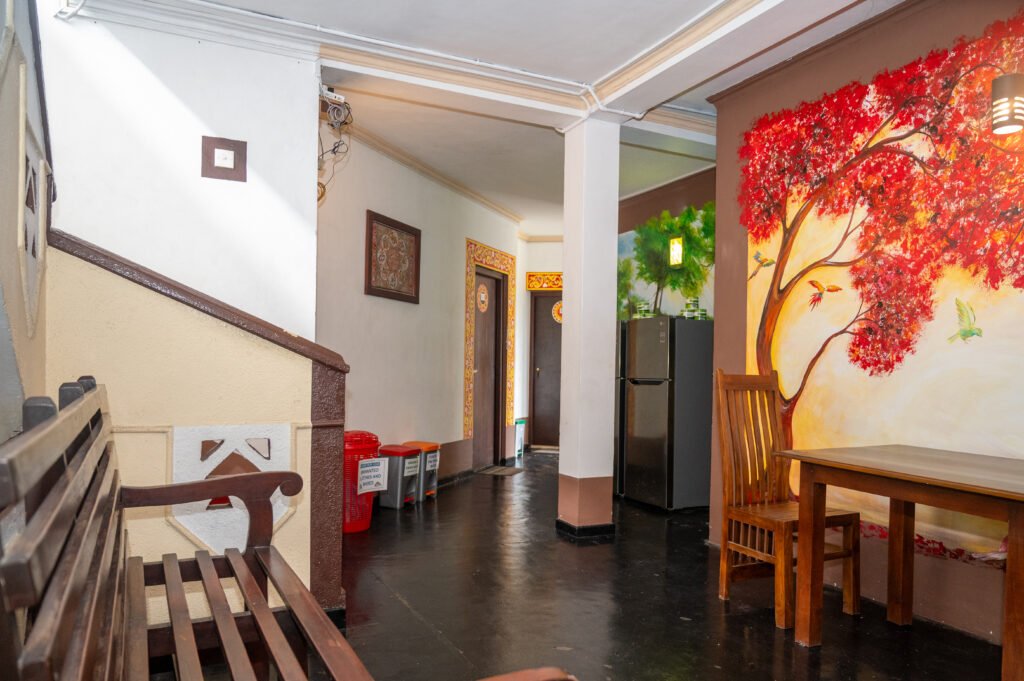
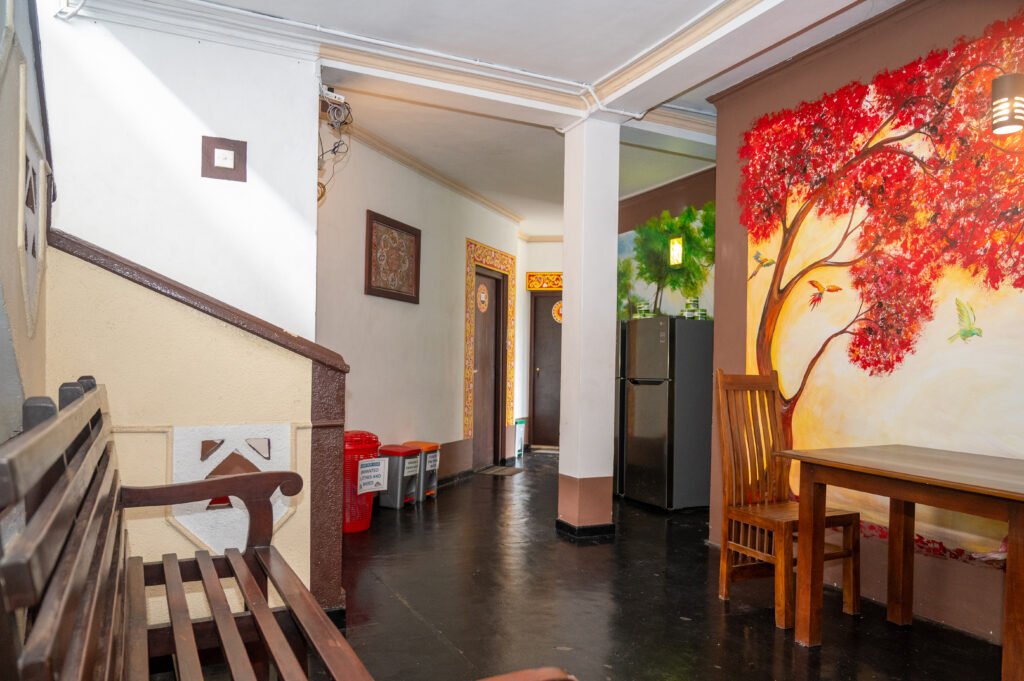
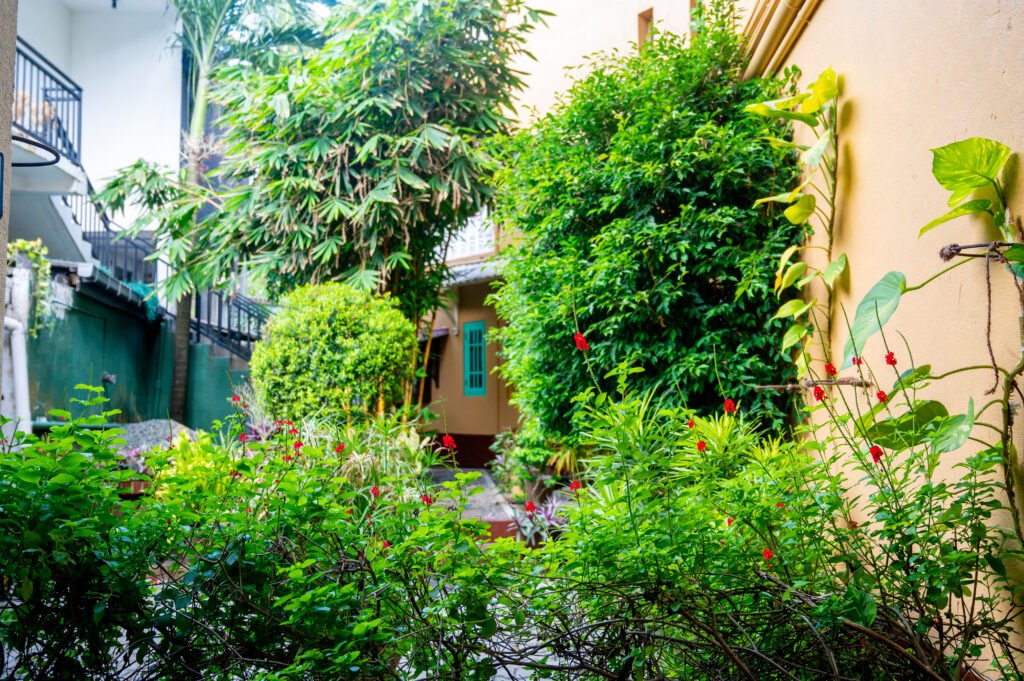
The other larger house has 13 bedrooms with ensuite bathrooms.Most of these rooms have ocean views! There’s a private 40-foot outdoor swimming pool surrounded by tropical greenery. The house also has 3 kitchens as well as 3 living/common rooms (one each per floor), a prominent dining area, and a private outdoor garden with seating/lounging areas.
The office is located on the ground floor of the house near the main entrance – this is where the local team operate from every day. The house is located in a peaceful, nature-filled neighbourhood adjacent to a small Buddhist temple (nestled away from the main tourist areas). To ensure the safety and security of the participants, there are CCTV cameras installed, and an in-house security guard for night-time surveillance. Hot water and high-speed Wi-Fi are there and you can opt for air-conditioning and laundry facilities at an additional charge.
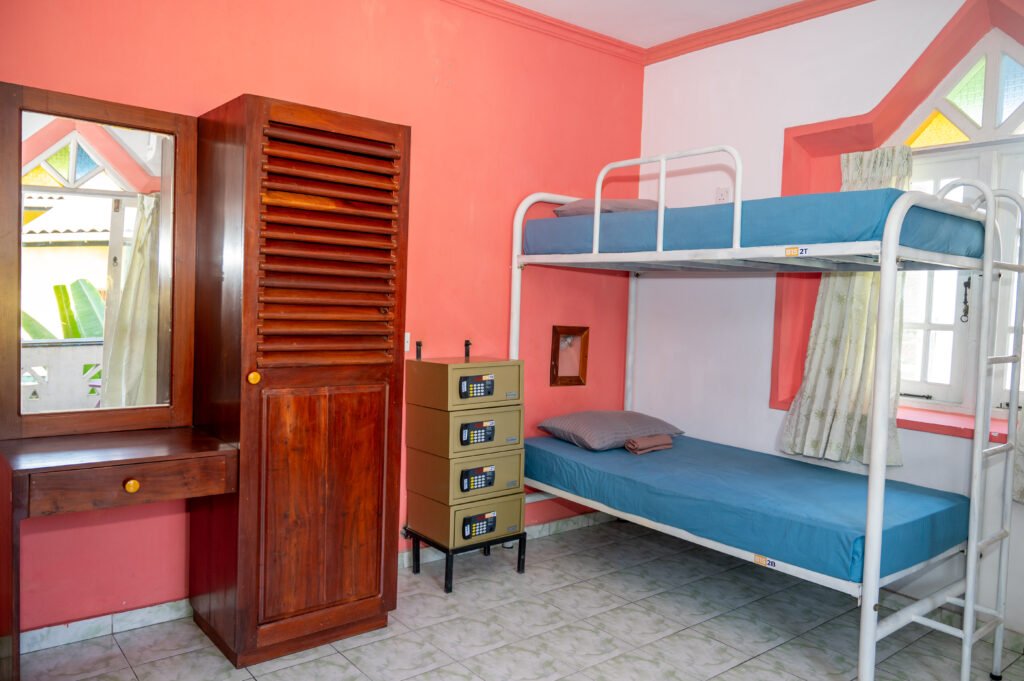
Private (single and double) room upgrades are available at additional charges. During busy months participants are also provided accommodation in nearby guesthouses in case of low capacity in the houses or non availability of private rooms. Private rooms are provided in guesthouses within walking distance to the house. Participants stay in the private guesthouses and walk over to the house and have meals with the other participants.
All participants aged 40 years and older will be provided with a private room only and will not be provided accommodation in shared dorm rooms . Additional charges for private room upgrade shall be applicable.
Meals
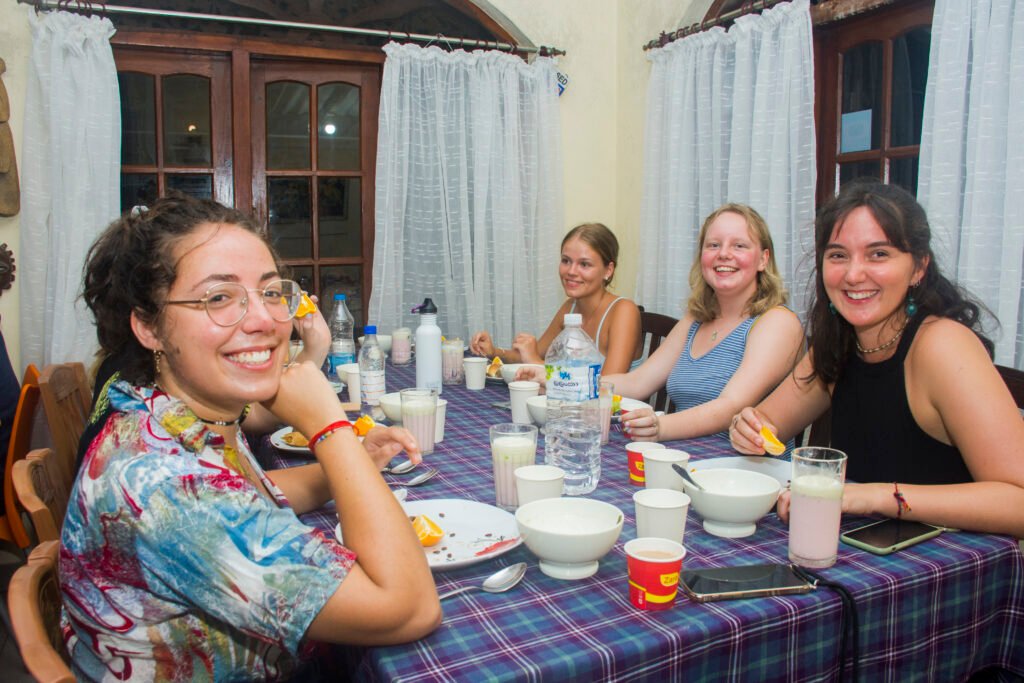
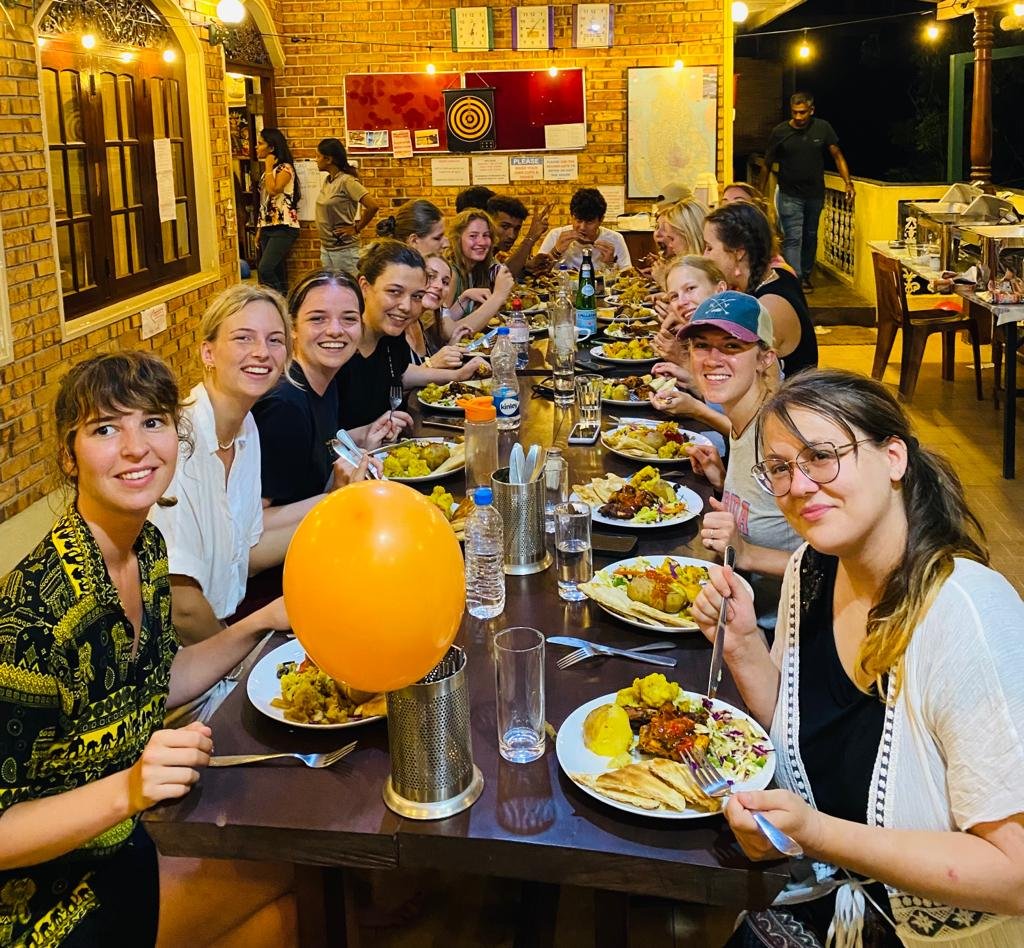
We provide 3 freshly cooked meals per day all week long (Monday to Sunday): Breakfast, Lunch and Dinner. Fresh ingredients are purchased from local markets to prepare these meals. The homes have cooks from the local community who come daily to cook fresh, homely and tasty local meals for the participants. We can cater to a range of special diets including vegan, gluten free, nut free and lactose-intolerant diets. If there are any other allergy or food requirements mentioned to us beforehand, we always do our best to accommodate those needs. Those interns staying in private guesthouse rooms near the intern house, usually have breakfast at the guest house and walk down to the intern house for their lunch and dinner.
Local Transportation
Local transportation to and from the project is included every day.
During Free Time
There is plenty to do during the free time and weekends for the interns.The following activities are provided free of charge and included in your program fee:
- Evening Rooftop Yoga Session (weekly)
- Movie nights on large screen projector at the house (weekly)
- Bike tour across paddy fields and local villages (monthly)
- BBQ for participants and staff in the garden (monthly)
- Night Fishing for anyone into fishing (on demand)
The following are popular weekend (or even daily) activities which our interns love to do around the area (at an additional charge):
- Surfing lessons
- Elephant safari
- Whale watching(during season)
- Rainforest hiking
- Beach hopping
- Local cooking class
- Galle Walking Tour
- Local spice market visit
Start dates
Weekly start dates, year-round — pick any week across the next two years.
Program fees by duration
Prices include your £179 booking deposit — which is deducted from your total programme fee. Your deposit stays valid for one year, during which you may enrol in multiple programs. A 5% international banking fee applies to credit-card payments in USD or AUD.
| Duration | Total price | |
|---|---|---|
| 1 week | £1,131 | |
| 2 weeks | £1,417 | |
| 3 weeks | £1,703 | |
| 4 weeks | £1,988 | |
| 5 weeks | £2,274 | |
| 6 weeks | £2,559 | |
| 7 weeks | £2,845 | |
| 8 weeks | £3,131 | |
| Each additional week | +£286 / week |
Indicative conversion — your booking is charged in the currency you choose at checkout.
✓ What you're paying for
- Comprehensive Pre- Departure Information and support from Med Trips team
- Airport Transfers on Scheduled Days
- Dedicated intern housing with WiFi (shared rooms)
- Shared airport transfer on arrival at designated time windows in the morning or afternoon
- Orientation and training on arrival
- Breakfast, lunch and dinner all days
- Guaranteed project placement
- Local transportation to projects in private AC van or tuk-tuk
- Experienced bilingual operations team on the ground
- 24/7 local emergency support
- Weekly yoga class on a rooftop terrace
- Weekly movie nights on large screen projector
- Monthly bike tour around paddy fields and local villages
- Monthly special BBQ dinner
- Medical Insurance
- Certificate of Program Completion(On Request)
Not included
- Visa Fee
- Return Airport Drop Charges
- International Airfare
- Vaccinations
- Any personal expenses
- Additional Local Excursions and Trips
- Private Room Upgrade charges
- Charges for additional nights at the accommodation
Frequently asked questions
What does the Pre Medical Observership Program Sri Lanka cost, and what is included?
The exact price for each duration is shown in the Dates & costs section above, in your local currency. Your fee covers the project placement, accommodation, meals as listed, airport pick-up and 24/7 in-country support in Sri Lanka — international flights, travel insurance and visa costs are separate.
When should I apply?
Apply as early as you can — places on the Pre Medical Observership Program Sri Lanka are limited and confirmed in the order they come in. Your booking deposit stays valid for a full year, so you can secure your place well ahead of time.
Can I pay in instalments?
Yes — you can spread your programme fee over 0% interest instalments, with the balance due 45 days before you start. Your booking deposit is included in the displayed total and secures your place for a full year.
Who can take part, and is there an age limit?
The minimum age is 18 years. Most nationalities are welcome — you just need an open mind, reasonable fitness and respect for local customs in Sri Lanka. A clear background check is required for any role working with children.
Where will I stay in Sri Lanka?
You stay in a shared student house or with a vetted host family in Sri Lanka, with meals provided as listed for your programme. Private-room and upgraded-accommodation options are usually available on request.
How long can I do my elective for?
This programme runs for 1-12 Weeks. If you would like to stay longer or combine it with another project in Sri Lanka, our team can tailor your itinerary.
Is it safe to do an elective in Sri Lanka?
Yes. Our local coordinators in Sri Lanka meet you on arrival, run a full orientation and are reachable 24/7 throughout your stay. We only place students in areas our in-country team knows well and visits regularly.
Do I need a visa or vaccinations for Sri Lanka?
Most students travel to Sri Lanka on a standard tourist visa; you will receive full visa guidance and a recommended-vaccination checklist in your pre-departure manual. Valid travel-medical insurance is required and can be arranged through us at a nominal cost.
Schedule a meeting with a programme advisor
We're here to help — a 20-minute one-on-one with detailed info, expert advice and application guidance.
Book a free meetingMore electives you can explore
Physiotherapy Internship in Sri Lanka
The Physiotherapy Internship in Sri Lanka is designed for students and recent graduates of physiotherapy programs who are…
Sri Lanka Group Medical Experience – Custom Groups Only
This immersive two-week program combines clinical hospital exposure, community outreach, and cultural adventure on Sri Lanka’s stunning southern…
Nursing Elective in Sri Lanka
Join the Nursing elective in Sri Lanka and gain valuable experience of interning at a hospital in Sri…
Medical Elective in Sri Lanka
Gain valuable skills and experience by doing the medical elective at a hospital in Sri Lanka.Your field of…