 English ▾
 Nederlands
 English (US)
 Deutsch
 Italiano
 Português
 Español
 Français
Results day is one of the biggest days in a young person’s life — and if you’re hoping to become a doctor, nurse or healthcare professional, it can feel like everything hinges on a single envelope. It doesn’t.
Whether you’ve secured your place at medical school, you’re taking a planned gap year, you’re weighing up options through Clearing, or you’re already thinking about reapplying next year, the months ahead are a chance to do something genuinely useful: get closer to the profession you’re aiming for. Here’s an honest guide to making that time count — including what early clinical experience abroad really involves, and what it doesn’t.
Whatever your results, your future in medicine isn’t decided today
Plenty of practising doctors didn’t walk a straight line into medical school. Some took a gap year, some went through Clearing, some reapplied. What they have in common isn’t a perfect results day — it’s what they did next.
If you got the grades: congratulations. A gap year, or even a focused summer of experience before you start, can help you arrive more confident and clearer about why you’re there.
If your results weren’t what you hoped: it’s a setback, not a verdict. A well-spent year — with real exposure to healthcare — is one of the strongest things you can bring to a reapplication.
What a pre-medical observership abroad actually involves — and what it doesn’t
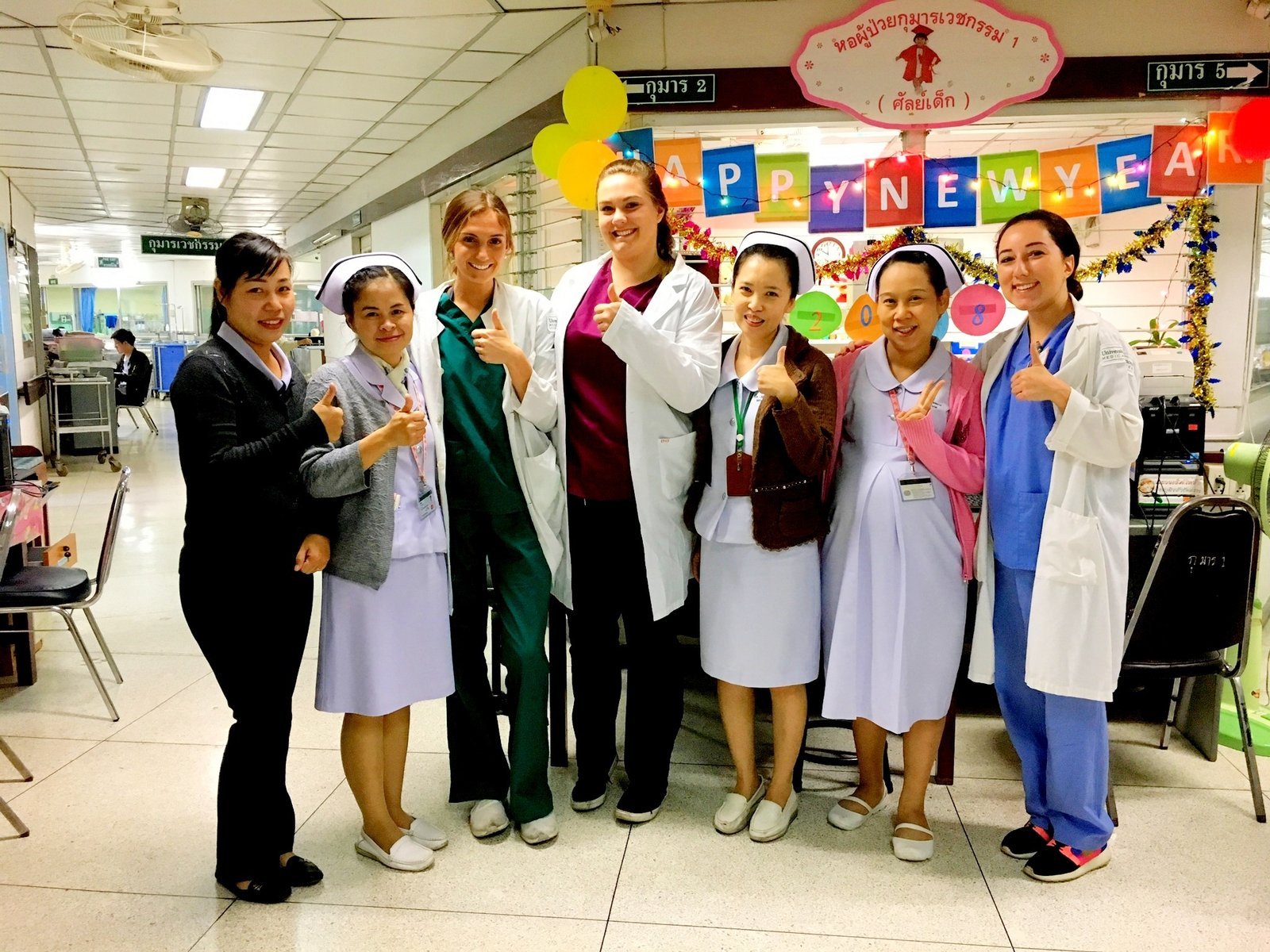
Here it’s important to be honest, because the “medical gap year” space is full of overblown promises.
A responsible pre-medical or observership programme is exactly that: you observe. You shadow qualified doctors, nurses and healthcare staff, sit in on ward rounds and clinics where appropriate, and learn how healthcare works — often in settings very different from the NHS.
What a responsible programme will never do is put an untrained school-leaver into a role they aren’t qualified for. You will not perform procedures, diagnose patients, or do hands-on clinical work. Anyone promising you that should be a red flag — it’s neither safe nor ethical, and it’s not something a good provider (or a good future doctor) should want. Done properly, an observership gives you insight and perspective while respecting patients, local staff and your own limits.
Why early clinical exposure matters
Medical schools, and future-you, both benefit when you understand what medicine actually looks like beyond the textbook. Time spent in and around healthcare settings helps you:
- Test your motivation. Medicine is a long road; seeing it up close helps you confirm it’s the right one (and there’s no shame in discovering it isn’t).
- Build genuine talking points. Interviewers can tell the difference between a rehearsed personal statement and one grounded in real observation and reflection.
- Develop the human side. Communication, empathy, teamwork, and seeing how care is delivered under pressure — these are learned by watching real professionals, not revising for them.
Is a gap year before medicine a good idea?
For many aspiring medics, yes — provided you use it well. A gap year can give you time to gain experience, earn, travel and mature; it can strengthen a future application if this year didn’t go to plan; and it can help you start medical school with more confidence.
The key is intention. “A year off” and “a purposeful year” look very different on paper and in an interview. Structured experience — a UK hospital volunteering role, a healthcare job, or an observership abroad — is what turns time into an asset.
Getting experience abroad, sensibly
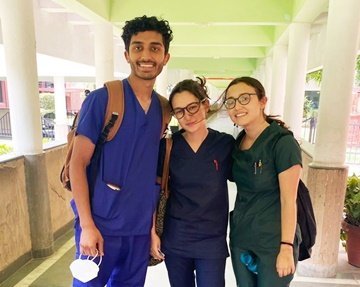
If you’d like to see healthcare in a different context, an overseas observership can be genuinely broadening — culturally and professionally. At Med Trips we run pre-medical observership programmes designed for exactly this stage, including placements in Sri Lanka and Cusco, Peru, alongside our clinical electives for students already further along in their studies.
Our in-country teams handle the practical side — placement, accommodation, orientation and support — so you can focus on learning. And because we think this matters, our programmes are built around observation and ethics, not empty promises.
If you’re curious, you can explore our programmes or start a free, no-obligation application — applying costs nothing and commits you to nothing.
Frequently asked questions
Can I do medical work experience abroad before I start university?
Yes. Pre-medical and observership programmes are designed for aspiring medics — including school leavers and gap-year students — not only current medical students.
Do I need to be a medical student already?
No. Observership programmes are open to pre-university students exploring a career in medicine. Clinical electives, which involve more hands-on learning, are for students already in medical or nursing school.
Will I do hands-on clinical work?
No — and be wary of any programme that says you will. As a pre-med participant you observe and learn alongside qualified staff; you won’t perform procedures or treat patients, which protects both patients and you.
Will a gap year hurt my medical school application?
Not if you use it well. Structured, relevant experience — including healthcare observation — is generally viewed positively and can strengthen a reapplication.
How long are programmes, and what do they cost?
Programmes are flexible in length, and prices vary by destination and duration. You can see current options and pricing on each programme page, and applying is free.
A final word
However today went, it’s one day. A career in medicine is built over years — and the way you spend the months after results day can quietly set you up for the ones that follow. Choose something that brings you closer to the profession, treat every patient and colleague you observe with respect, and you’ll start medical school — this year or next — with something money can’t buy: perspective.