 English ▾
 Nederlands
 English (US)
 Deutsch
 Italiano
 Português
 Español
Medical Electives & Healthcare Placements in Tanzania
Best Medical Elective Placements in Tanzania 2026-2027

 4.90based on 62 reviews
 Tanzania combines a broad case mix with strong exposure to maternal health and infectious disease, in an English-speaking system. It also gives you a genuine choice of setting — the mainland or the island of Zanzibar — which is why it is one of the most flexible places to take a medical elective abroad with Med Trips.
Whether you choose the mainland at Arusha or the island setting of Zanzibar, the common thread is a broad caseload with notable exposure to maternal health and infectious disease. The choice of two settings means you can weigh a classic mainland teaching hospital against the distinct environment of Zanzibar, depending on the experience you are after.
Choose your programme
There are three real options in Tanzania; decide first on the setting and whether you are travelling individually or as a group:
- Medical Elective in Tanzania (Arusha) — the mainland hospital placement, with a broad general case mix (this placement also welcomes nursing students).
- Medical Elective in Zanzibar — the same idea in the island setting of Zanzibar.
- Tanzania Group Medical Experience — a separate product for custom groups.
Specialties and departments
On the mainland and Zanzibar electives you can usually align your time with a department that fits your interests, where the hospital allows — a choice within the Medical Elective rather than a separate Tanzania product. Maternal health and infectious disease are common areas of exposure.
What students can expect
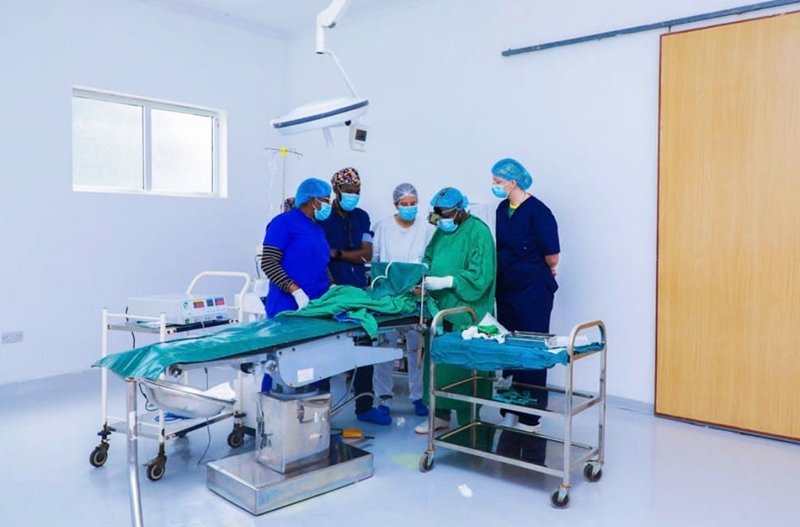
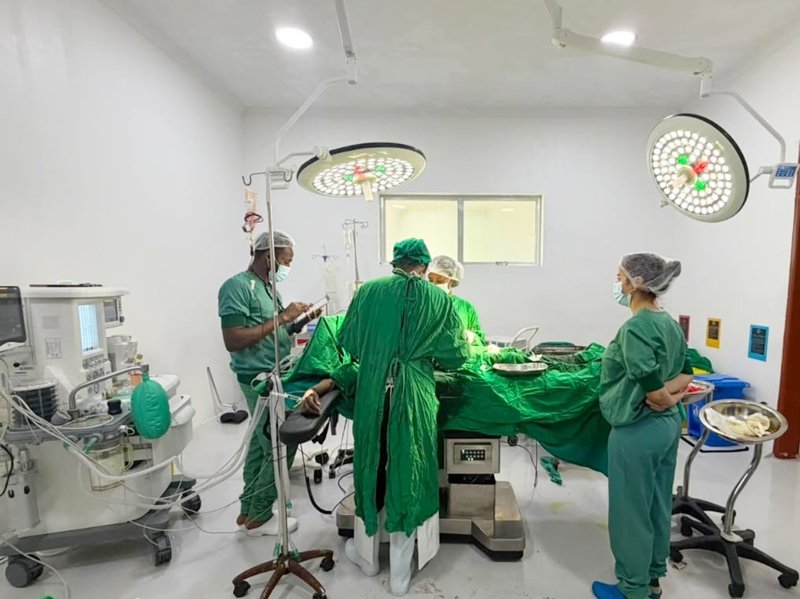
Placements are supervised and primarily observational: you shadow local teams, observe ward rounds, clinics and (where appropriate) procedures, and learn how each department works. Any hands-on involvement is basic, supervised and only where the placement allows — the emphasis is on safe learning and understanding workflows.
Who it suits
Medical students and recent graduates who want a broad case mix; the Arusha elective also suits nursing students. Choose Zanzibar for the island setting, or the Group Medical Experience if you are organising a cohort.
Getting the most from your placement
Decide early which setting fits your goals, then use the strengths of the caseload — maternal health and infectious disease in particular — to build focused experience, always within your supervised, observational role. A reflective diary helps you get the most from a broad week. Med Trips arranges accommodation, insurance, orientation and 24/7 in-country support, and helps with university sign-off where needed.
What you’ll gain
A Tanzania placement builds real breadth — particularly around maternal health and infectious disease — plus the adaptability and communication skills that come from working in an unfamiliar system. The choice of setting means you can shape the experience to your interests, and return with focused, memorable examples for your CV and interviews.
Practical planning
Placements run year-round and typically last 2 to 12 weeks (minimum 2). Every Med Trips placement is supervised in a vetted hospital or clinic and supported by an in-country team, and the programme fee covers your placement, student-friendly accommodation, insurance and 24/7 in-country support, along with pre-departure guidance, help with your university paperwork and an in-country orientation on arrival. Flights and daily spending money are normally your own responsibility.
If your university needs the placement signed off, our UK team and the team in Tanzania can help with the documentation, risk assessments and confirmation of hours your school may ask for — so it is worth sharing your university’s requirements with us early. Many students fund the trip through a mix of university elective funds, professional-body bursaries and fundraising; see our funding guide and fundraising hub for practical help.
How to choose
Pick Arusha for the mainland, Zanzibar for the island, or the Group Medical Experience for a group trip. Open each programme page for current dates and inclusions.
Why choose a Medical Elective in Tanzania?
- International Medical Exposure
Shadow local doctors and nurses in hospitals and clinics, and learn about healthcare in a developing country.
- Understanding Healthcare in East Africa
See firsthand how medical professionals manage with limited resources and treat conditions such as malaria, tuberculosis, and HIV/AIDS.
- Professional Networking
Connect with healthcare staff, international interns, and fellow students from around the world.
- Cultural Immersion
Live and learn in Arusha.Explore Maasai culture, spice farms, or the bustling streets of Arusha.
- Weekend Exploration
From Arusha: Go on safari to Serengeti, Ngorongoro Crater, and Tarangire National Park, or hike at the base of Mount Kilimanjaro.
From Zanzibar: Relax on white sandy beaches, go snorkeling or diving, and discover the island’s rich history.
- Career Benefits
Boost your CV with international medical exposure, develop cross-cultural communication skills, and strengthen your application for medical school or future healthcare roles.
What work will I get to do as an intern?
The Medical Elective Placement in Tanzania is primarily observation-based, though the level of involvement may depend on your academic background and experience. Interns shadow local doctors, learn about common health challenges in Tanzania, and may support community outreach projects.
Depending on interests, availability, and skill level, interns may request to observe or be placed in areas such as:
- General Medicine
- Pediatrics
- Maternity & Obstetrics
- Surgery
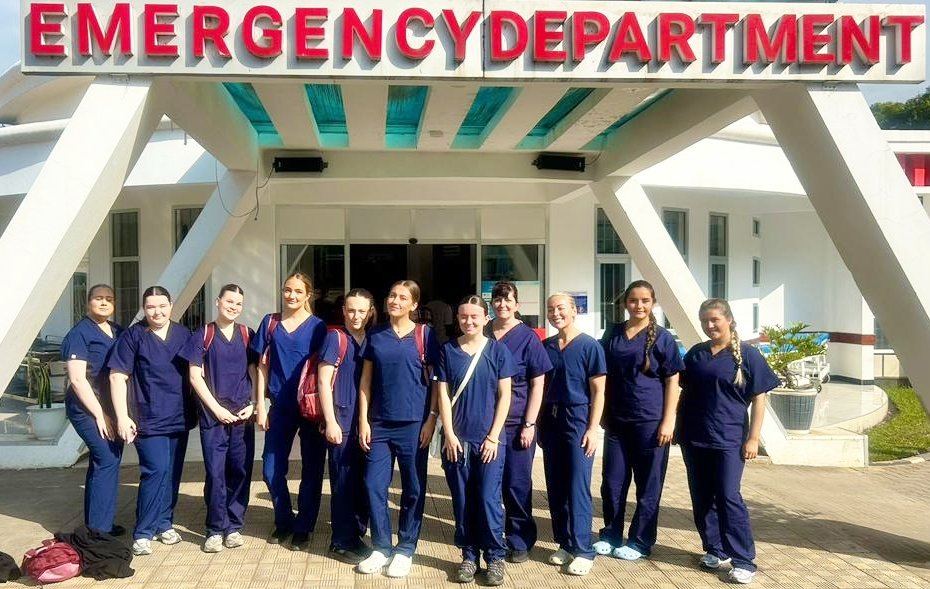
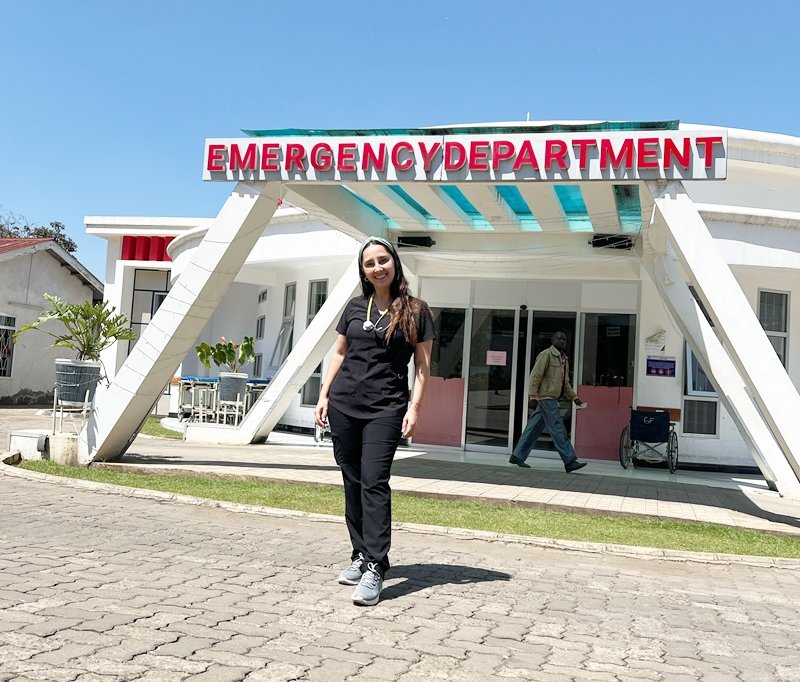
- Emergency Department
- Nursing
- Dentistry
You’ll gain valuable insight into Tanzania’s healthcare system, observe cases not commonly seen at home, and develop cross-cultural skills essential for a future career in medicine.
Note: Pre-med and first-year students will have an observation-focused placement. Advanced students may be allowed to assist with basic tasks, depending on the facility and supervisor.
Quick facts
At a glance
Highlights
- Placements in Arusha (mainland) near Kilimanjaro region
- Observation and shadowing opportunities in major hospitals
- Safe and comfortable intern accommodation with meals provided
- Explore Tanzania’s world-class safaris and beautiful beaches on weekends
- Enhance your CV with international healthcare experience while building cross-cultural communication and adaptability skills
- Observe different cases related to accidental trauma or infectious diseases which are not common in your country
Medical Electives in Tanzania | Supervised Hospital Placements
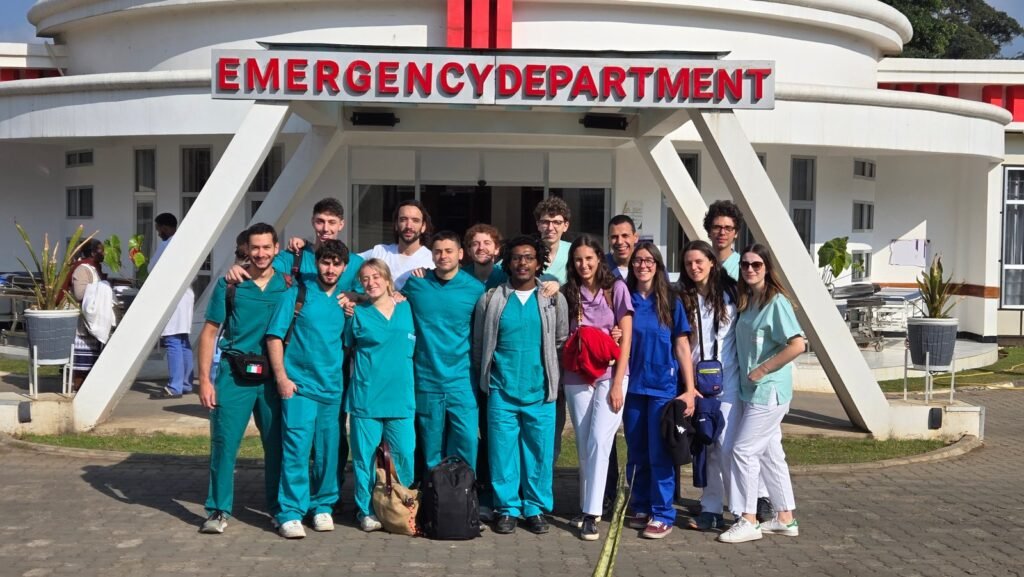
Medical and Nursing Elective in Tanzania – Arusha
Interning in the Medical and Nursing Elective in Tanzania – Arusha is a great opportunity for all pre-med, medical, and nursing students to learn about the healthcare systems in Tanzania…
More details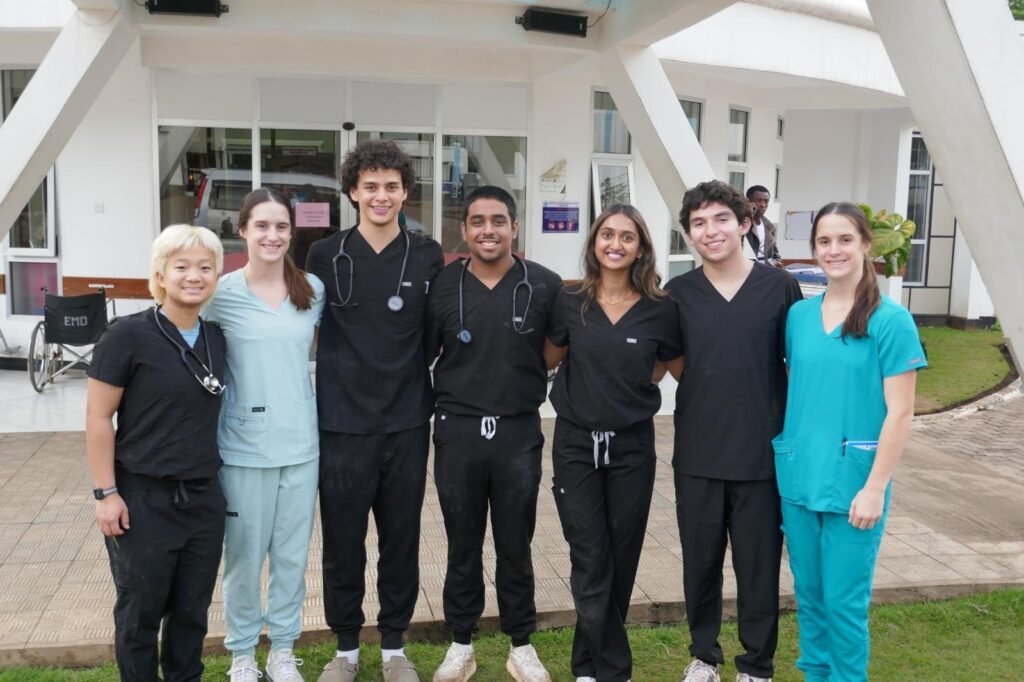
Tanzania Group Medical Experience – Custom Groups Only
Gain medical experience, make an impact, and explore Tanzania’s wild beauty — all in one unforgettable trip with Med Trips.
More details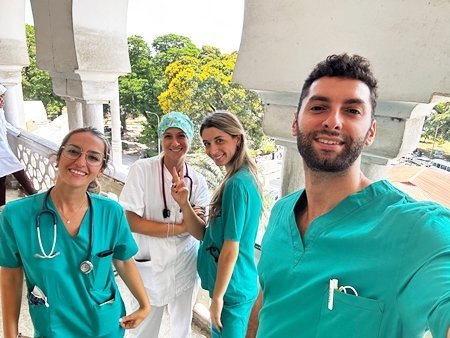
Medical Elective in Tanzania – Zanzibar
Med Trips offers rewarding Medical Elective Program in Zanzibar, giving students and professionals the chance to gain international healthcare exposure while experiencing the rich culture and history of this stunning…
More detailsTravel on your weekends
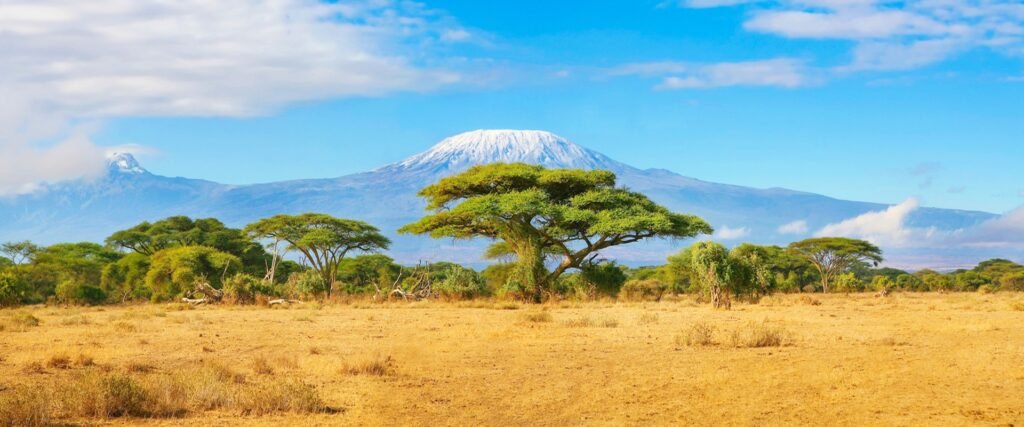
4 Day Tarangire National Park, Serengeti National Park, Ngorongoro Crater Safari
Take an extended 4 day weekend safari trip during your volunteer program and head to Serengeti and Tarangire…

3 Day Tarangire National Park, Ngorongoro Crater, Lake Manyara
Looking for something wild while in Tanzania? Book this tour and enjoy the wonders of Tarangire, Ngorongoro ecosystem…
Life in Tanzania
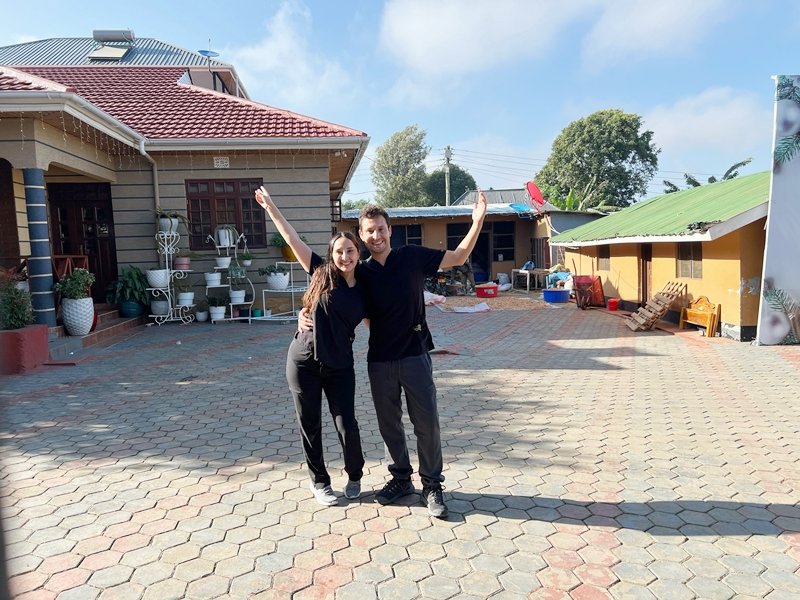
Explore other destinations
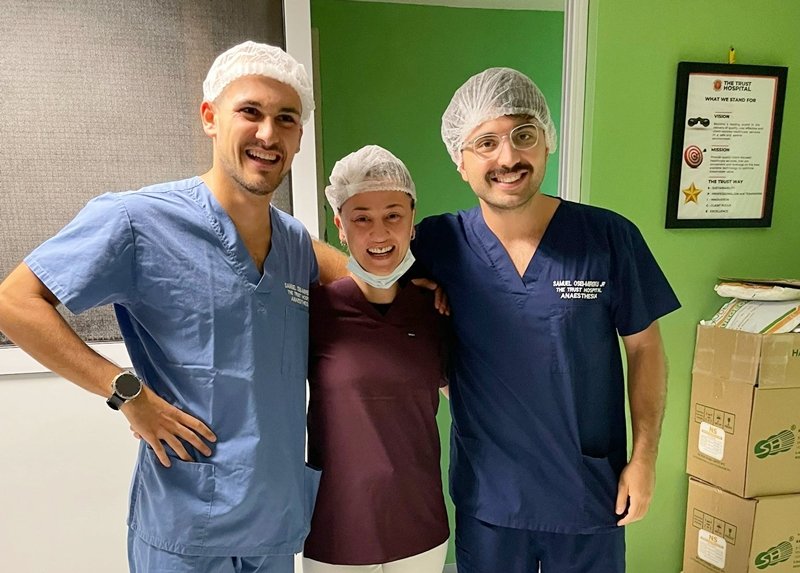
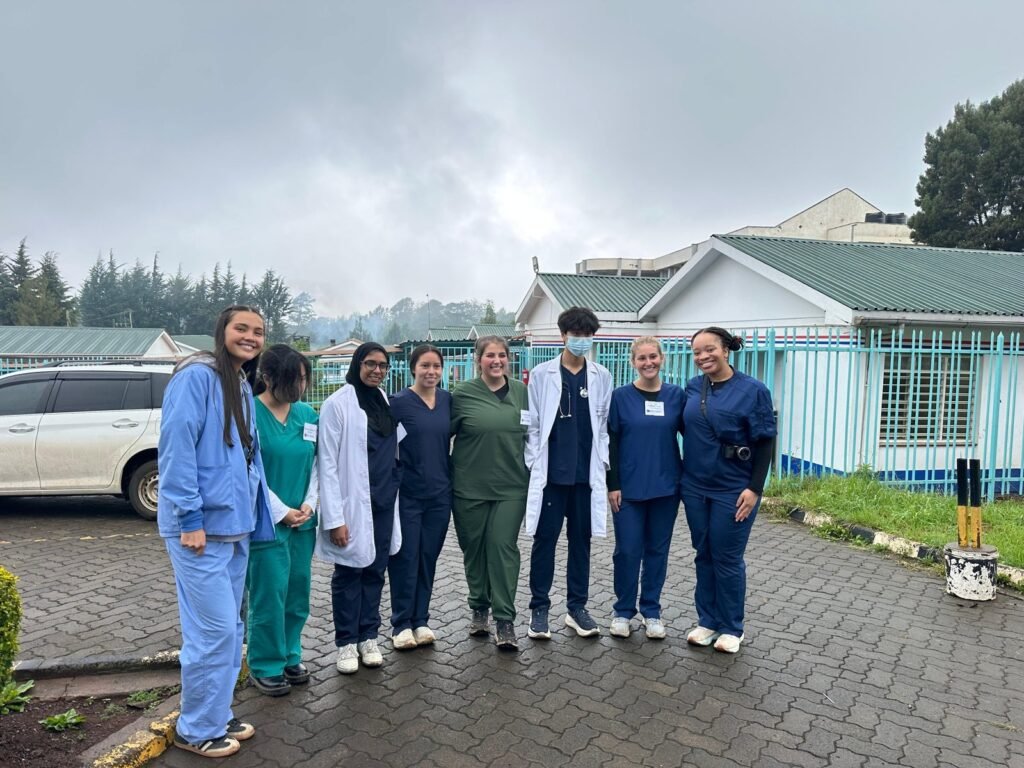
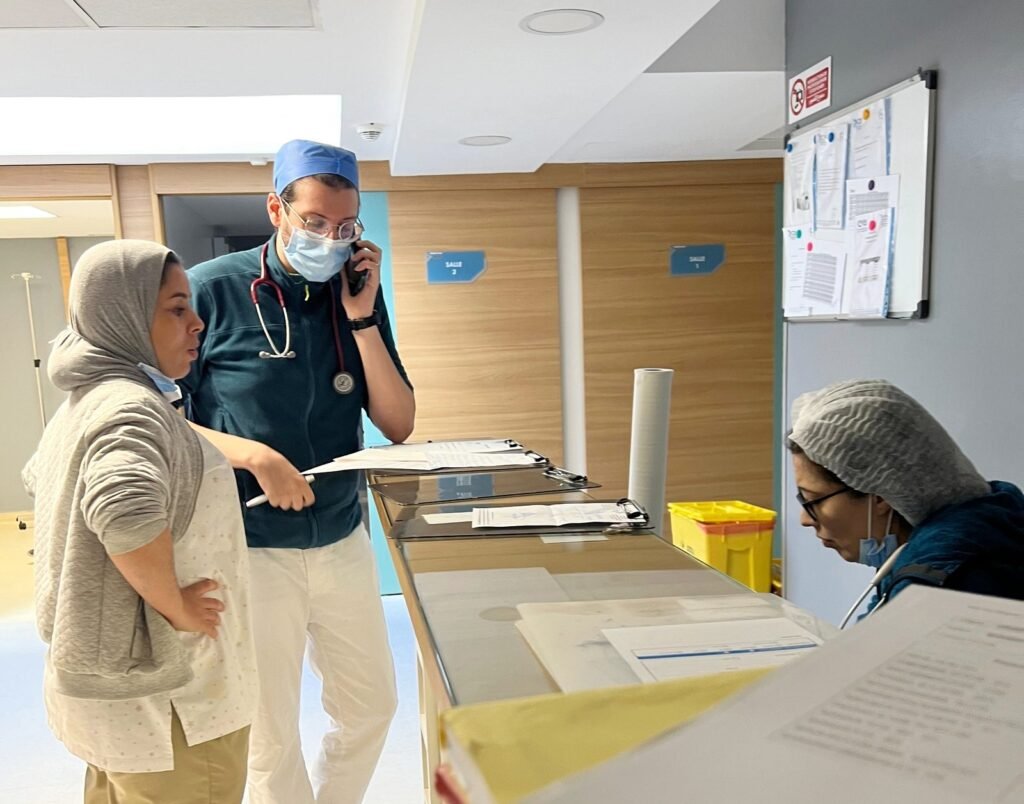
Your questions, answered
What programmes are available in Tanzania?
Med Trips offers healthcare elective placements in Tanzania, with options typically including Medical and Nursing electives (programme options can vary by placement location and availability).
Who are these electives suitable for?
These placements are generally suitable for medical and nursing students (and in some cases recent graduates), as well as participants seeking international exposure in a supervised clinical environment.
Where are the placements based?
Placements are available in Arusha (near the Kilimanjaro region) and Zanzibar, depending on the programme you choose.
What will I do day-to-day?
You’ll typically spend your days in a hospital/clinical setting observing and learning from local teams. Depending on your background and placement, you may rotate through departments, shadow clinicians, and observe patient pathways and local practices.
What will I learn from a low-resource setting?
You’ll gain insight into Tanzania’s healthcare context, see different disease profiles and clinical realities, and develop adaptability, resilience, and cross-cultural communication skills that are valuable in any healthcare career.
What support is provided?
You’ll have support from the local team/coordinator, including on-the-ground guidance and help navigating practical parts of the experience (orientation, local info, and general support during your placement).
Are there any extras or social activities?
Optional activities vary by location and season. Your local team can usually help you join group outings and cultural experiences such as local markets/tours in Arusha, or beach and cultural activities in Zanzibar.
How will this help my future career?
You’ll strengthen your CV with international clinical exposure, broaden your global health perspective, and build soft skills like communication, confidence in unfamiliar environments, and teamwork across cultures.
What can I do on weekends?
In Arusha,weekends often suit day trips and wildlife/culture experiences (and Tanzania is well known for safari routes). In Zanzibar, popular options include beaches, Stone Town cultural sightseeing, and island activities.
Elective specialties available in Tanzania
- Dental Electives Abroadplacements in Tanzania
- Medical Electives Abroadplacements in Tanzania
- Midwifery Elective Placements Abroadplacements in Tanzania
- Nursing Elective Placements Abroadplacements in Tanzania
- Physiotherapy Placements Abroadplacements in Tanzania
- Pre-Med Internships & Electives Abroadplacements in Tanzania
- Radiography Elective Placements Abroadplacements in Tanzania