

Read time 6 minutes
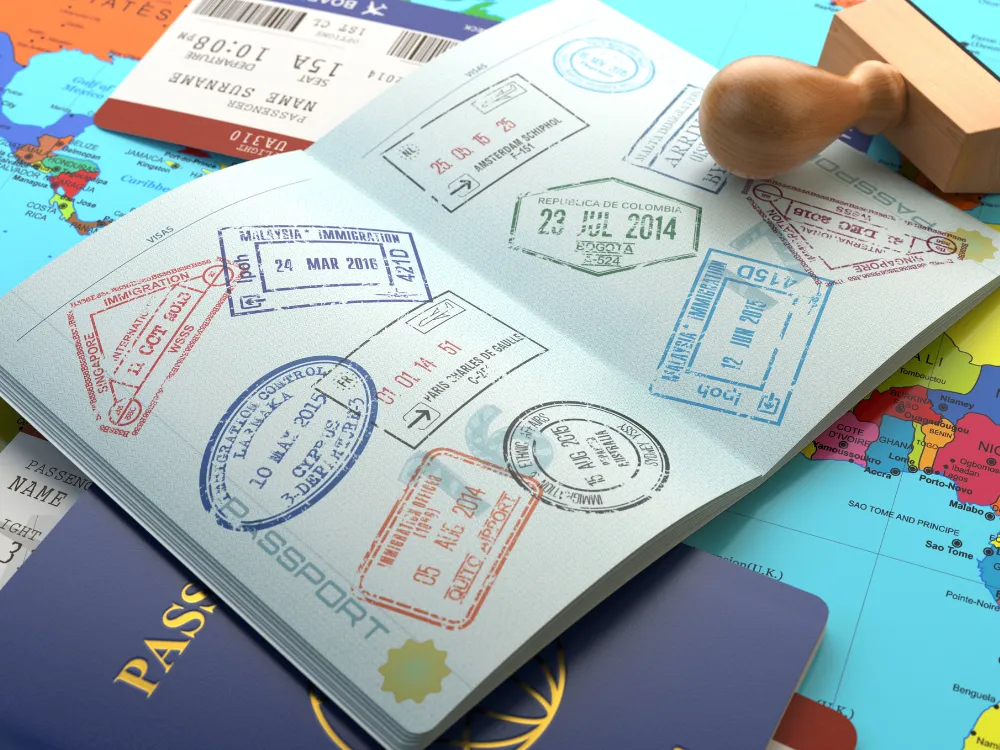
When planning your medical internship abroad, it can be easy to become swept up in the excitement of packing and planning your weekend itineraries. However, have you considered the possibility of needing a visa to work in your chosen country?
Travelling without a visa can land you with a pretty serious penalty, especially if you’re working rather than simply visiting for leisure. Today, we’ll explore everything you need to know about when visas are needed for medical electives abroad.
Medical internships abroad are wonderful opportunities for medical students to further their studies and global perspective by experiencing a unique healthcare setting. There are internship opportunities all over the world, where you’ll gain firsthand experience with patient care and location-specific ailments.
Internships are often confused with volunteering, but these are two different opportunities. For this reason, immigration authorities treat electives differently from tourism or volunteering, often requiring a different set of travel and supporting documents.
Yes, you will most likely always need a specific visa for medical internships abroad. A standard tourist visa usually prohibits clinical work, even when it’s unpaid, meaning you’ll need to apply for a separate visa before travelling.
However, the necessity for a visa depends on several factors, such as the country you’re travelling to and from, and the duration of your internship. To obtain a clear answer on the type of visa you’ll need for your internship, we recommend checking the host nation’s embassy, as they’ll have up-to-date information tailored to your specific circumstances.
Different countries often have their own requirements for the type of visa you need. Here are some of the most common visa types you may have to apply for:
A tourist visa is official permission to enter another country for short-term purposes, such as tourism, visiting loved ones, or completing short courses. This may be acceptable for certain medical internships, such as short observerships with no patient contact.
However, automatically assuming you require a tourist visa may increase the risk of travelling with incorrect information.
A student visa is a permit that allows international students to reside in another country temporarily while pursuing full-time education at an institution approved by the host country. This is usually required for longer or more hands-on training, but can only be obtained if you’re partnering with your medical school to arrange the internship.
Some countries may offer short-term study or training visas for medical internships, especially if the focus is clinical and lasts a few weeks or months. These visas are often easier to obtain than full student visas, but they may restrict patient contact and the duration of your stay in your chosen country.
Work or internship visas might apply if your medical internship involves paid duties or responsibilities. Payment doesn’t have to be monetary; it can be in the form of benefits, too.
However, most internships are unpaid and educational, so it’s rarer that you’ll require this type of visa for short-term clinical and observational placements.

The type of visa you’ll need for your internship will usually depend on your chosen destination. Each country has its own set of visa requirements and rules surrounding medical electives, so it’s important to do your research on the area you decide to future your studies in.
Visa requirements across Africa vary by country and nationality. Many destinations, such as Kenya, Tanzania, Uganda and Ghana, will require you to apply for a visa or e-visa in advance.
Short-term electives may let you use a simple tourist visa, but stays longer than 90 days often require more extensive visas, such as student or training visas.
Several South American countries, like Peru, Colombia and Brazil, allow visa-free or tourist entry for short stays from many countries all over the world. However, tourist visas are generally intended for leisurely travel rather than internships.
If your elective includes clinical work or a stay longer than the permitted short-stay length, you may need a student or training visa instead. Requirements differ significantly, so it’s important to check with local embassies.
Students from non-EU countries usually require a Schengen short-stay visa for electives lasting up to 90 days within a 180-day period. Observational electives might be permitted under this visa, but hands-on clinical placements of long-term electives often require a national study or training visa, even within the Schengen area.
Check out our European medical electives to learn more.
Visa rules in Asia are often very specific to each individual country. For example, India, Thailand, and Nepal often require student or training visas for medical electives, especially those that include clinical exposure.
Tourist or e-visas usually don’t permit structured medical training. The embassy specific to your chosen place of study will have more information on the correct type of visa you need, taking into account your place of residence and planned duration of stay.
While every country has its own visa application process, most require similar documents. These will often include:
Med Trips can help with obtaining any documents you need for your visa application, along with advice on how to complete it correctly to avoid mistakes or rejection.

Applying for a visa is often straightforward, but there are a few common mistakes people make when planning their medical internship abroad. These can significantly increase wait times and put your plans in jeopardy.
Common mistakes surrounding visa applications include:
No matter how easy the process seems, applying for a visa can be difficult for first-time travellers. To ensure you have a smooth experience from start to finish, Med Trips is on hand to help you apply for your visa. We can also assist with insurance.
To ensure a stress-free application, we can:
Choosing to complete your medical internship abroad is incredibly rewarding, but the addition of travel documents can increase stress and add another thing to your long to-do list. However, with the help of Med Trips, we can ensure a quick and efficient application to keep your travel plans exciting.
Check out our medical electives abroad to find one that you’re truly excited for, and click ‘Apply Now’ to get the ball rolling on an unforgettable adventure!


Get the latest updates, insights, and exclusive offers delivered straight to your inbox.
We respect your privacy. Unsubscribe at any time.
Language
Currency