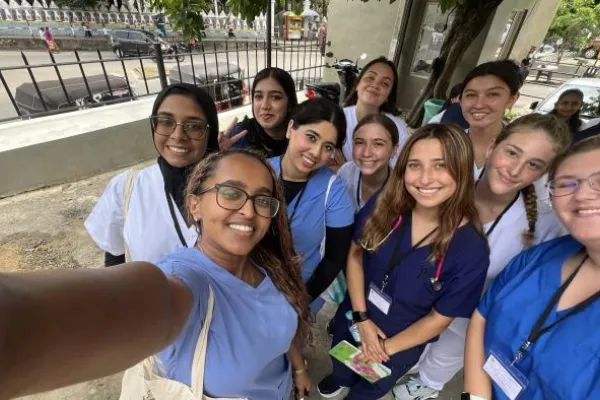
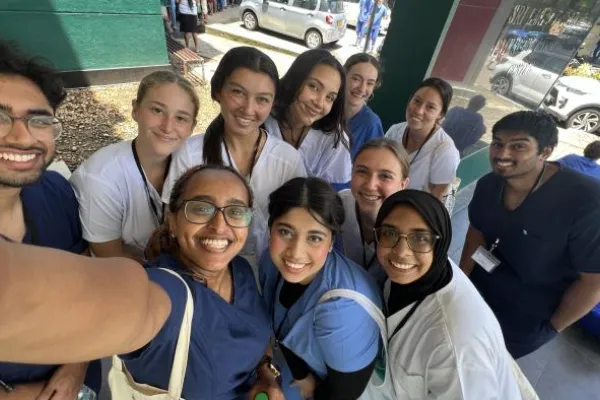
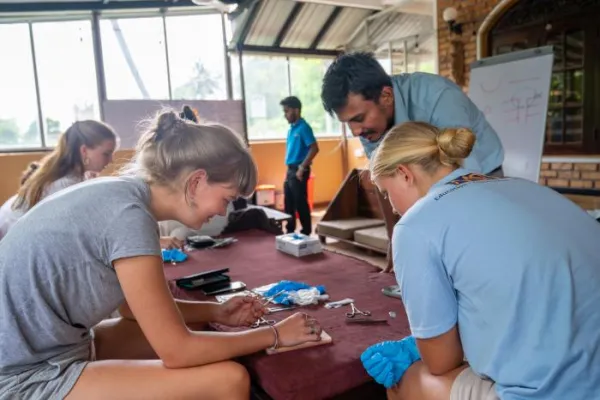
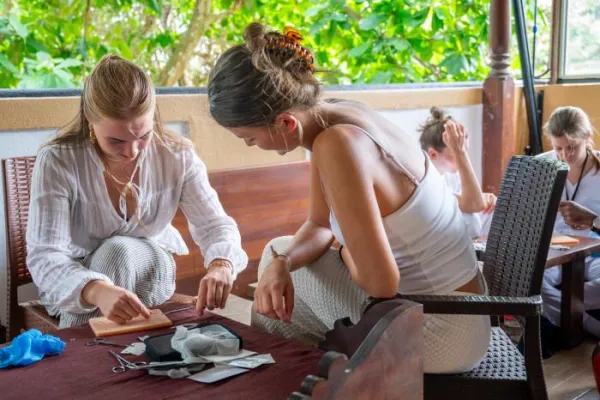
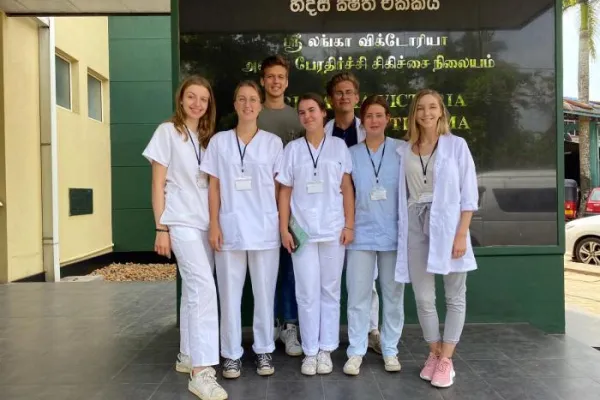
Medical Interns have the opportunity to get broad-based rotational exposure across various wards, units and institutions, including:
Emergency Trauma Care (ETC) / Surgical Casualty Ward – tasks include bedside teaching regarding the management of patients, ward class with ward rounds, observing how local staff check vital signs and perform wound dressing.
General Medical Ward – typical tasks include bedside teaching regarding the management of patients, ward rounds with the consultant and the medical staff, attending lectures with the local medical students, etc.
General Surgical Wards – tasks include joining the ward rounds with the consultant and medical staff, observing how local staff monitor vital signs and perform wound dressings of patients and observing pre operative and post operative care of the patients who go through surgeries such as Cholecystectomy, Appendectomy, Hernia repair, Thyroidectomy, etc.
General Pediatric Ward – typical tasks include studying the history of the patients with the support of medical/ nursing staff, joining the ward rounds, performing activities to socialize with children (with parental consent), etc.
Pediatric Cardiology Unit – typical activities include attending pediatric cardiac catheter lab on diagnosing heart defects, its severity, observing live pediatric cardiac surgeries and attending clinical sessions with the consultants.
Oncology Surgical Ward – typical tasks include studying the history of the patients with the support of medical/nursing staff, joining the ward rounds, observing how local staff monitor vital signs and perform wound dressings of patients and observing pre operative and post operative care of the patients.Electives will be given explanation by the surgeon based on the type of the surgery and the ground emergency situation.
Neurosurgical Unit – available only for advanced medical students (3rd year or above in their medical studies). Tasks include studying the history of the patients with the support of medical / nursing staff, joining the ward rounds, observing live neurosurgeries with the consultant / surgeon.
Nephrology Unit – available only for advanced medical students (3rd year or above in their medical studies). Tasks include studying the history of the patients with the support of medical / nursing staff, joining the ward rounds, observing patients with various kidney malfunctions and or diseases with the consultant/ surgeon.
Psychiatry Ward – available only for advanced medical students (3rd year or above in their medical studies). Assist local team that specializes in the treatment of mental disorders.
Rheumatology Department – available only for advanced medical students (3rd year or above in their medical studies). Assist in the treatment and care to patients with diseases of the musculoskeletal system – bone, joint and connective tissue disease.
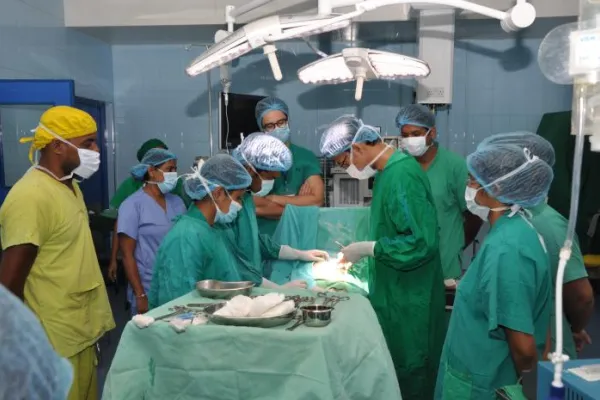
Observation of Special Surgeries - Surgery observation weeks will be available ONLY for the medical students who have the prior clinical/ hospital experience. Depending on the availability, the electives will get the access to observe surgeries on a rotational basis. Surgeries include vascular surgeries, plastic surgeries, urology related surgeries, neuro surgeries, casualty, oncology surgeries, etc
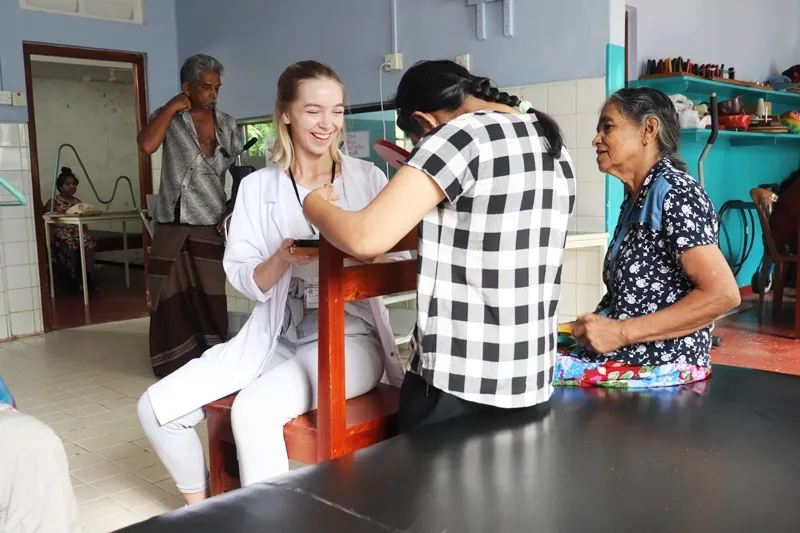
Physiotherapy & Rehabilitation Unit – tasks include supporting patients to carry out their daily physiotherapy and occupational therapy exercises, carrying out group activities to support the patient's mental well-being and other similar activities. Students will get to closely shadow a physiotherapist and occupational therapist on a regular basis.
Dentistry - Dental Students are placed in the dental departments in the hospitals wherein they shadow the dentists
Ayurvedic Medicine – A special introductory session on the traditional eastern medicinal practice of Ayurveda, which is based on a natural and holistic approach to physical and mental health. Ayurvedic medicine is one of the world’s oldest medical systems and remains one of Sri Lanka’s most popular and respected traditional health care systems.
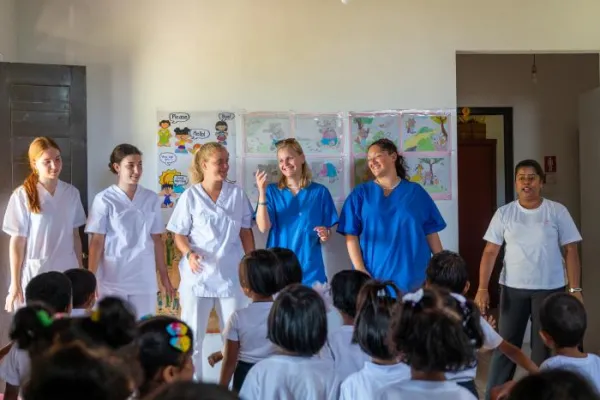
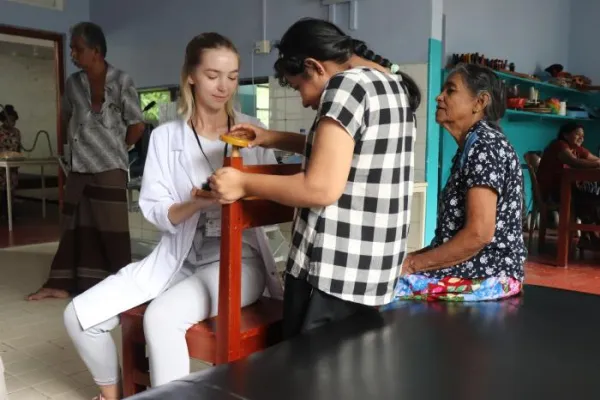
Community Based Activities – this involves working at local schools, villages and community groups.
Disability Care: Medical interns are encouraged to engage with differently-abled people that need extra affection and care. They are able to help them with activities that enhance their motor and cognitive skills.
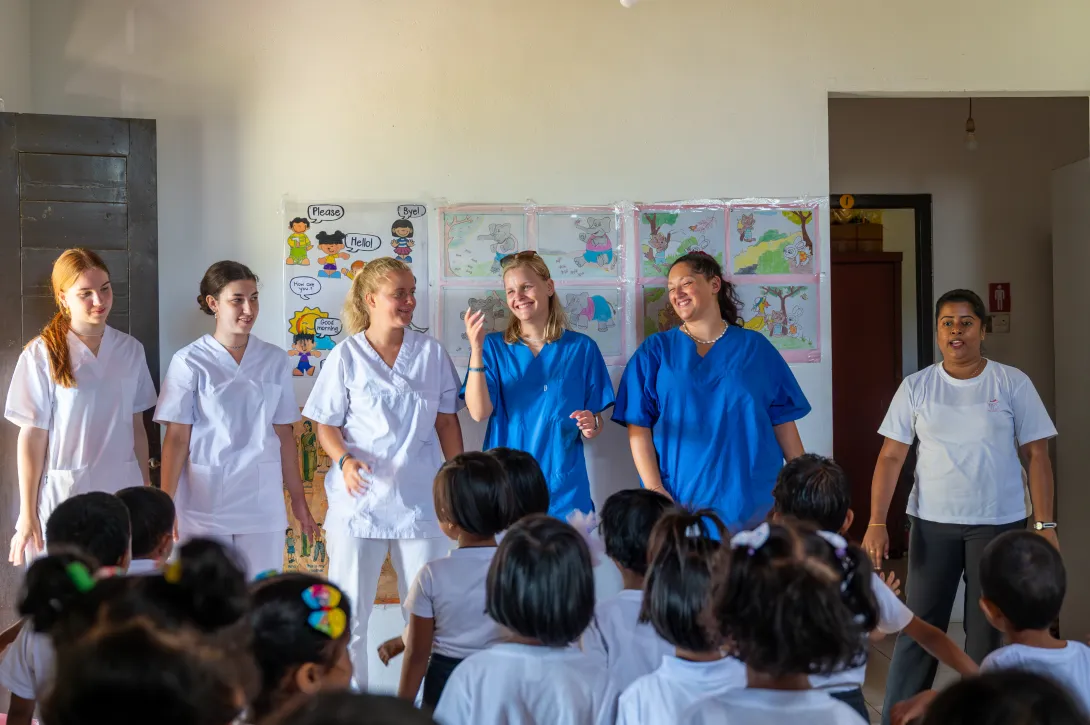
Children: Educate and train the local children on first aid and basic hygiene practices in schools, kindergartens and community groups under the guidance of the coordinators.
Elderly Care: Support and cheer up elderly people at elderly homes while improving their gross motor skills and cognitive skills engaging in crafting, mobility exercises and other fun activities.
General Public: attend medical campaigns and health awareness programs under the guidance of medical professionals where they can assist with health checkups and educate people on different health conditions and issues.
Students generally need to be assigned for a minimum of one week in the units/wards in the main hospital.
In addition to the wards/ units described above, medical electives also have the option to choose Community Weeks as part of their program which provides a more hands on experience dealing with various members of the local public (as described above) through community-based activities. This also includes a special one-day session on Ayurvedic medicine so a typical community week will comprise of Ayurvedic medicine and community based activities. Community week allocation is dependent on ground availability.
The range of tasks are more sophisticated compared to Pre-Medical participants and can vary based on the experience level of the student. It is important to emphasize that the experience in the hospital is largely observation-based although certain units are known to offer more hands-on work than others. As this is a real-world project which involves dealing with real doctors, nurses and patients in a busy hospital, one cannot predict how a typical day or week will go. We have found that participants who show respect, capability, humility and eagerness to learn tend to win the confidence and support of the local medical team more often than not, and as such, they get more out of their experience than those who do not.
All electives are supported by our medical project coordinator who provides regular guidance and support to further enhance their learning and knowledge development.